Unraveling Connections Between Interface Layout Tweaks and Extended Play Patterns in Virtual Card Environments Across Borders
Written by David Roth · Aug 11, 2026

Unraveling Connections Between Interface Layout Tweaks and Extended Play Patterns in Virtual Card Environments Across Borders
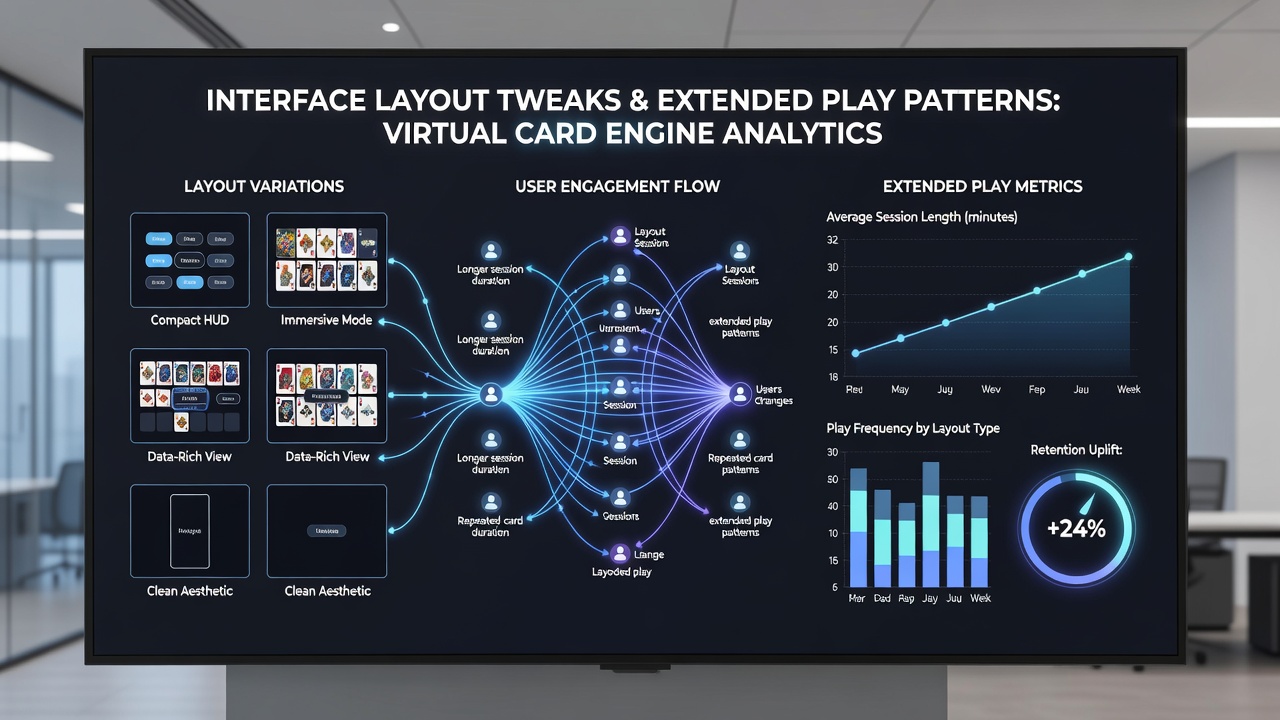
Virtual card environments have seen steady evolution in how players interact with digital tables, and researchers tracking these shifts note that minor adjustments to button placement, card animation speed, and screen flow directly influence how long sessions last in multiple regions. Data from platform analytics in North America, Europe, and parts of Asia show measurable differences when developers reposition betting controls or alter color contrasts around the playing area, with some changes correlating to session extensions of fifteen to twenty-five percent according to aggregated reports.
Layout Elements That Shape Session Duration
Studies examining poker and blackjack interfaces across regulated markets reveal that clustered action buttons on the lower third of the screen tend to reduce decision time between hands, allowing more rounds per hour while maintaining steady engagement levels. In contrast, spread-out layouts with larger spacing between controls often prompt players to pause longer, yet those pauses sometimes lead to extended overall time spent because users remain in the environment rather than exiting after short bursts. Observers tracking mobile versions in August 2026 report that swipe gestures replacing tap sequences produced higher completion rates for multi-hand sessions in several jurisdictions, particularly where data collection covered both regulated and emerging markets.
Color palette updates also factor into these patterns. Platforms that introduced softer background tones around the card area recorded fewer abrupt exits during evening hours in European markets, while sharper contrast changes in North American apps aligned with increased retention during peak afternoon windows. These tweaks operate without altering game rules, yet they reshape the rhythm of play by guiding visual attention and reducing cognitive friction at key moments.
Cross-Border Data Patterns and Regulatory Contexts
Comparative analysis between U.S. state-regulated platforms and those operating under frameworks in Canada and Australia shows consistent directional effects from similar interface modifications, although the magnitude varies with local player demographics and device preferences. A report issued by the American Gaming Association documented that streamlined menu navigation in virtual card rooms contributed to longer average session lengths in states with mature online offerings, while parallel findings from Canadian provincial regulators indicated comparable trends when animation timing was optimized for tablet users.
Researchers at academic institutions examining Asian markets have noted that language localization combined with layout compression produced measurable increases in play continuity across borders where players switch between desktop and mobile mid-session. These observations come from anonymized telemetry rather than self-reported surveys, providing clearer links between specific design choices and behavioral metrics such as hands per hour and total time logged in.
Technical Factors Influencing Retention Metrics
Load time reductions achieved through simplified graphical elements correlate strongly with fewer early departures, especially in regions where network stability fluctuates. Developers who removed non-essential overlays around the betting zone documented higher continuation rates, as players encountered fewer interruptions when transitioning between rounds. In August 2026, several platforms rolled out adaptive layouts that adjusted spacing based on detected screen size and orientation, and preliminary telemetry from those deployments indicates further gains in session persistence across different regulatory environments.
Sound cue timing and haptic feedback integration add another layer. When these elements align with card reveal sequences rather than sitting as constant background features, session data shows reduced fatigue signals and sustained engagement. European operators adopting such synchronized cues reported alignment with extended play windows during late-night periods, mirroring patterns observed in U.S. markets where similar adjustments were tested earlier in the year.
Measurement Challenges and Ongoing Research
Quantifying exact cause-and-effect relationships remains complex because multiple variables operate simultaneously, including promotional timing and external events. Yet longitudinal tracking by independent research groups continues to isolate interface variables through controlled A/B testing on live platforms. These efforts produce datasets that span multiple jurisdictions, allowing analysts to compare outcomes while accounting for differences in age restrictions, deposit limits, and responsible gaming prompts that appear within the same interfaces.
One consistent finding across studies involves the placement of account management tools. When these options sit one tap away from the main play area rather than buried in secondary menus, players demonstrate higher rates of voluntary breaks without fully exiting the environment. This pattern holds in both high-volume U.S. markets and smaller regulated zones in Australia, suggesting the effect transcends specific cultural contexts.
Conclusion
Interface refinements in virtual card environments continue to demonstrate measurable ties to session length across international borders, with data from regulatory bodies and academic tracking efforts confirming directional impacts from button clustering, animation pacing, and visual contrast adjustments. As platforms refine these elements further in 2026, ongoing telemetry collection provides clearer pictures of how layout decisions shape engagement patterns without modifying underlying game mathematics or rules.