Tracing Multiplier Buildup Sequences in Cascading Reel Designs and Their Ties to Cross-Provider Play Migration Patterns
Written by David Roth · Jul 24, 2026

Tracing Multiplier Buildup Sequences in Cascading Reel Designs and Their Ties to Cross-Provider Play Migration Patterns
Designs that incorporate cascading reels replace winning symbols with new ones that drop from above, and this mechanism often pairs with progressive multipliers that accumulate across consecutive cascades within a single spin. Data from multiple gaming jurisdictions show that these sequences create extended play cycles when multipliers reach higher tiers, and players encounter them across various software providers that license similar reel engines. Studies compiled by the Nevada Gaming Control Board indicate consistent patterns in session length when multiplier buildup exceeds standard thresholds, while operators track how these features influence retention metrics across different platforms.
Mechanics of Multiplier Accumulation in Cascading Systems
Reel engines activate cascades after each winning combination clears symbols from the grid, and multipliers typically start at 1x before incrementing by set values on subsequent drops. Engineers program these increases to trigger at specific cascade counts, and the resulting payout calculations scale wins by the current multiplier level at the moment of each evaluation. Research from the University of Nevada, Las Vegas gaming laboratories demonstrates that sequences reaching five or more cascades produce measurable spikes in average bet size during active sessions, and providers adjust weighting algorithms to balance frequency against jackpot potential.
Cross-provider implementations vary in their multiplier caps and reset conditions, yet the core loop remains similar enough that players recognize familiar progression curves when switching platforms. Figures released by the Australian Gambling Research Centre reveal that games with rapid multiplier escalation retain users for longer average durations compared to static reel titles, and this retention holds across both land-based terminals and online deployments. Operators monitor these sequences through backend telemetry that logs cascade depth per spin and correlates it with player account activity.
Observed Migration Patterns Across Gaming Platforms
Players frequently migrate between providers when they seek specific multiplier buildup behaviors that match their preferred risk profiles, and telemetry data collected in July 2026 shows elevated transfer rates following the release of titles with accelerated cascade multipliers. Regulatory reports from the New Jersey Division of Gaming Enforcement document how session data transfers between licensed operators when players chase particular reel weighting patterns, while analysts note that cross-provider movement accelerates after major software updates introduce new multiplier tiers.
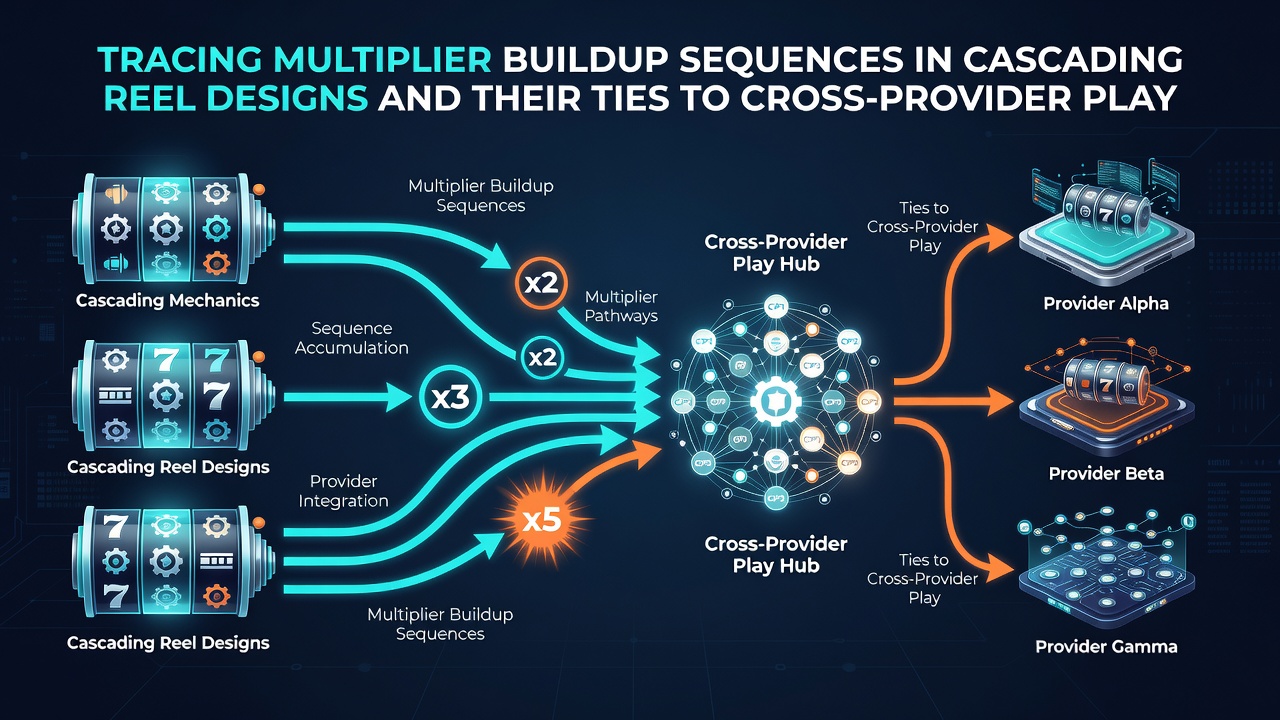
Networked slot systems allow operators to observe how users respond to multiplier resets that occur between bonus rounds, and this visibility helps map migration corridors that connect separate gaming ecosystems. Data aggregated by the Canadian Gaming Association highlights that titles featuring persistent multiplier carryover across cascades attract higher volumes of returning play from external sites, and migration peaks align with promotional periods that emphasize these mechanics. Analysts track these movements through anonymized account identifiers that persist across jurisdictional boundaries where permitted by regulation.
Algorithmic Factors Influencing Sequence Outcomes
Symbol distribution algorithms determine the probability of chain reactions that feed into multiplier growth, and providers calibrate reel strips to control the average number of cascades per spin. Research published by the International Center for Gaming Regulation outlines how weighted symbol placement affects the likelihood of reaching higher multiplier levels, and these configurations differ enough between vendors to create distinct player preferences. Evidence from European operators indicates that games with smoother multiplier ramps sustain engagement across longer timeframes, while abrupt jumps correlate with quicker session terminations in some datasets.
Cross-provider play migration intensifies when players identify consistent sequence behaviors that deliver predictable multiplier trajectories, and backend systems log these preferences through feature interaction counters. Reports from the South African Gambling Board note similar patterns in regional markets where multiple software suppliers operate under unified licensing, and analysts compare these findings against North American datasets to identify universal trends in cascade-driven retention.
Conclusion
Multiplier buildup sequences in cascading reel designs generate measurable effects on player progression metrics, and these patterns connect directly to observed movement across provider ecosystems. Data collected through regulatory channels and academic studies continue to map the relationships between sequence mechanics and migration flows, while operators refine their offerings based on telemetry that captures cascade depth and multiplier outcomes. The interplay between reel weighting and player behavior remains a focal point for ongoing industry analysis across multiple jurisdictions.