Tracing How AI Risk Models Reshape Compliance Checks in Cross-Border Poker Hand Data Flows
Written by Henrik Fischer · Jul 28, 2026
Tracing How AI Risk Models Reshape Compliance Checks in Cross-Border Poker Hand Data Flows
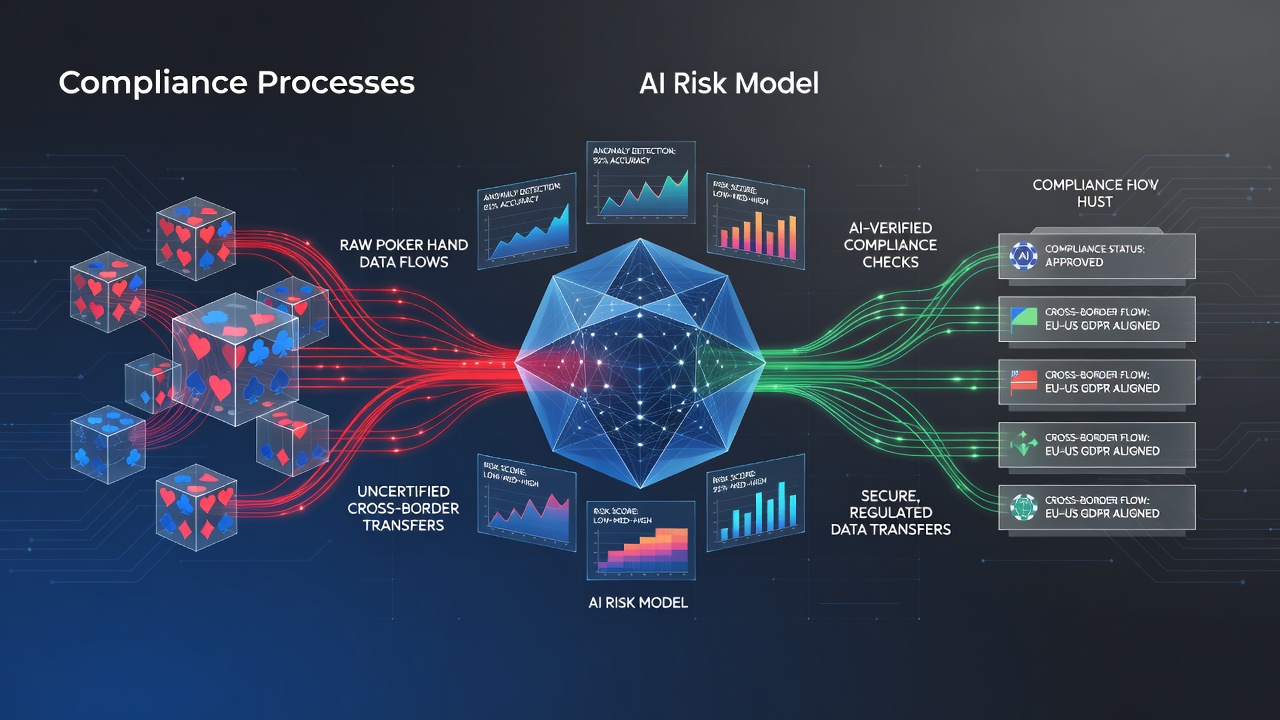
Online poker platforms transmit millions of hand histories daily between servers located in different regulatory jurisdictions, and AI risk models now evaluate these streams for patterns that trigger compliance reviews. Researchers at academic institutions have documented how machine learning algorithms process variables such as bet sizing sequences, player win rates, and session durations to assign risk scores that determine whether additional verification steps are required. These systems operate continuously, flagging transactions that cross borders where data protection rules differ sharply between regions.
By July 2026 several operators had integrated updated versions of these models following regulatory updates in multiple jurisdictions. The models draw on historical datasets from licensed poker networks to establish baseline behaviors, then compare live hand data against those baselines in real time. Compliance teams receive automated reports that highlight accounts showing unusual clustering of high-stakes hands or rapid transfers of funds between jurisdictions, allowing them to initiate reviews before regulatory deadlines expire.
Data Flow Architecture in Multi-Jurisdictional Poker Networks
Poker hand data moves through encrypted channels from player devices to central servers, often routed through intermediate points in jurisdictions such as Malta or the Isle of Man before reaching final storage facilities. AI models monitor these pathways by examining metadata including IP address changes, device fingerprints, and timestamp correlations across successive hands. When a sequence of hands originates from one regulatory zone and concludes in another, the system calculates a composite risk score that incorporates both the volume of data transferred and the velocity of play.
Regulatory bodies including the Malta Gaming Authority have issued technical standards requiring operators to maintain audit logs of every AI-generated risk assessment. These logs capture the specific features the model weighted most heavily during each evaluation, creating traceable records that auditors can examine during periodic inspections. Observers note that such requirements have prompted platforms to standardize data formats so that hand histories remain readable across different compliance systems.
Algorithmic Techniques Applied to Hand History Analysis
Supervised learning frameworks train on labeled datasets where past compliance investigations identified instances of money laundering or account sharing. Unsupervised clustering methods then detect emerging patterns that deviate from established player cohorts. Reinforcement learning components adjust risk thresholds dynamically as new hand data arrives, reducing false positives that previously overwhelmed manual review queues. Engineers have reported that ensemble approaches combining multiple model types achieve higher precision in identifying cross-border anomalies than single-algorithm solutions.
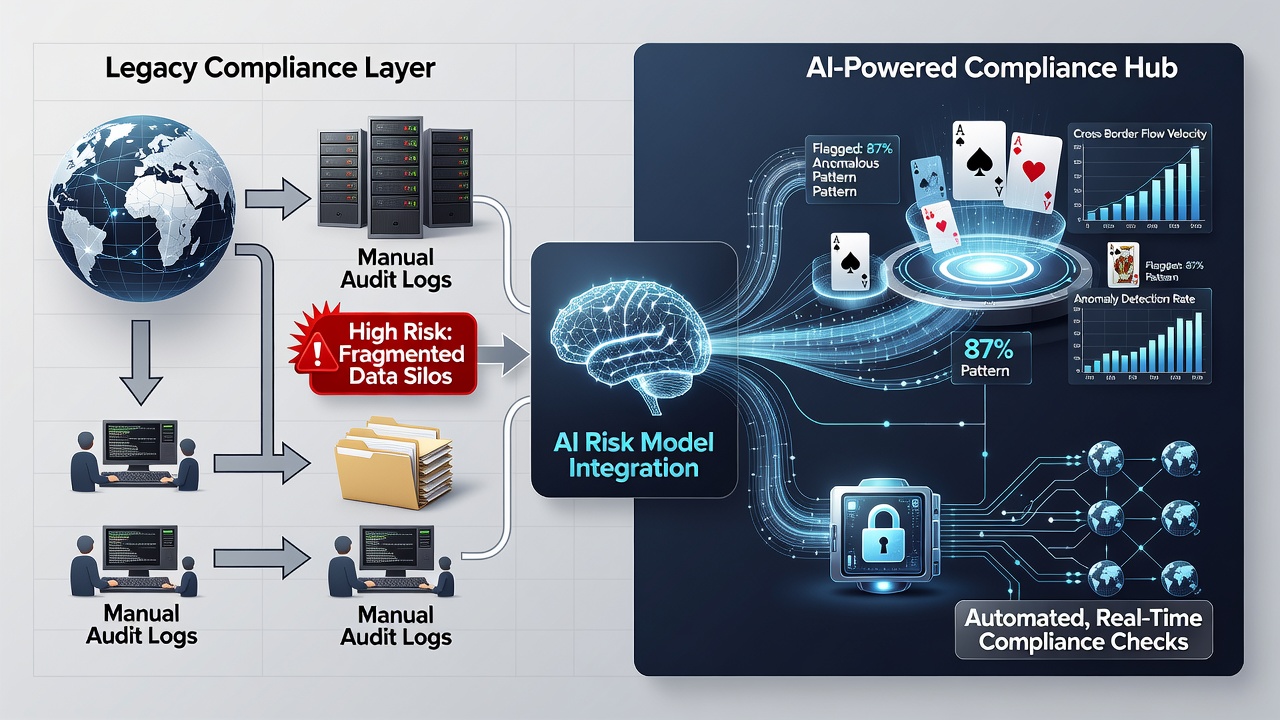
Feature engineering plays a central role in these pipelines. Variables such as the ratio of pre-flop raises to post-flop calls, combined with the geographic distance between successive login locations, feed into neural network layers that output probability estimates. When an account's score exceeds a jurisdiction-specific threshold, the system automatically suspends further hand data processing until human analysts complete a secondary review. Data shows that this layered approach has shortened average investigation times while maintaining consistency across borders.
Regulatory Alignment and Cross-Border Data Governance
Jurisdictions maintain distinct rules governing the retention and sharing of poker hand records. AI models incorporate jurisdiction-specific rule sets into their decision engines so that a single hand history can receive different compliance flags depending on the origin and destination countries involved. The Alcohol and Gaming Commission of Ontario, for example, requires explicit consent mechanisms for data leaving Canadian servers, and operators have embedded these constraints directly into model logic. Similar adaptations appear in frameworks used by platforms serving European and Asian markets.
Interoperability between these systems relies on standardized APIs that allow risk scores to travel alongside the underlying hand data. Industry reports indicate that collaborative working groups have developed common taxonomies for risk categories, reducing the need for operators to maintain separate model versions for each market. Figures from 2026 deployments reveal that platforms using unified models experienced fewer compliance delays when routing hands between licensed and white-label operations.
Implementation Outcomes Observed in 2026 Deployments
Operators that adopted these AI frameworks reported measurable shifts in how compliance staff allocate their time. Routine screening tasks now consume fewer hours, while analysts focus on complex cases that require contextual judgment. Training programs have evolved to emphasize interpretation of model outputs rather than manual data review, and several networks have published internal guidelines detailing escalation procedures tied to specific score ranges.
Technical audits conducted in July 2026 confirmed that model drift remains a concern when player behaviors change rapidly following major tournament series. Maintenance schedules now include weekly recalibration using the most recent hand data, and performance metrics track both detection rates and the volume of unnecessary flags. These practices have become standard across networks handling significant cross-border traffic.
Conclusion
AI risk models continue to alter the mechanics of compliance verification for cross-border poker hand data flows by embedding regulatory logic into automated pipelines. The integration of jurisdiction-aware scoring, standardized data formats, and dynamic threshold adjustments has produced traceable processes that align with evolving oversight requirements. As additional jurisdictions refine their technical standards, operators maintain these systems through ongoing calibration and audit cycles that keep pace with regulatory expectations.