The Role of Biometric Authentication Methods in Enhancing Security Protocols for Mobile Sports Wagering Accounts
Written by Noah Butler · Aug 16, 2026
The Role of Biometric Authentication Methods in Enhancing Security Protocols for Mobile Sports Wagering Accounts
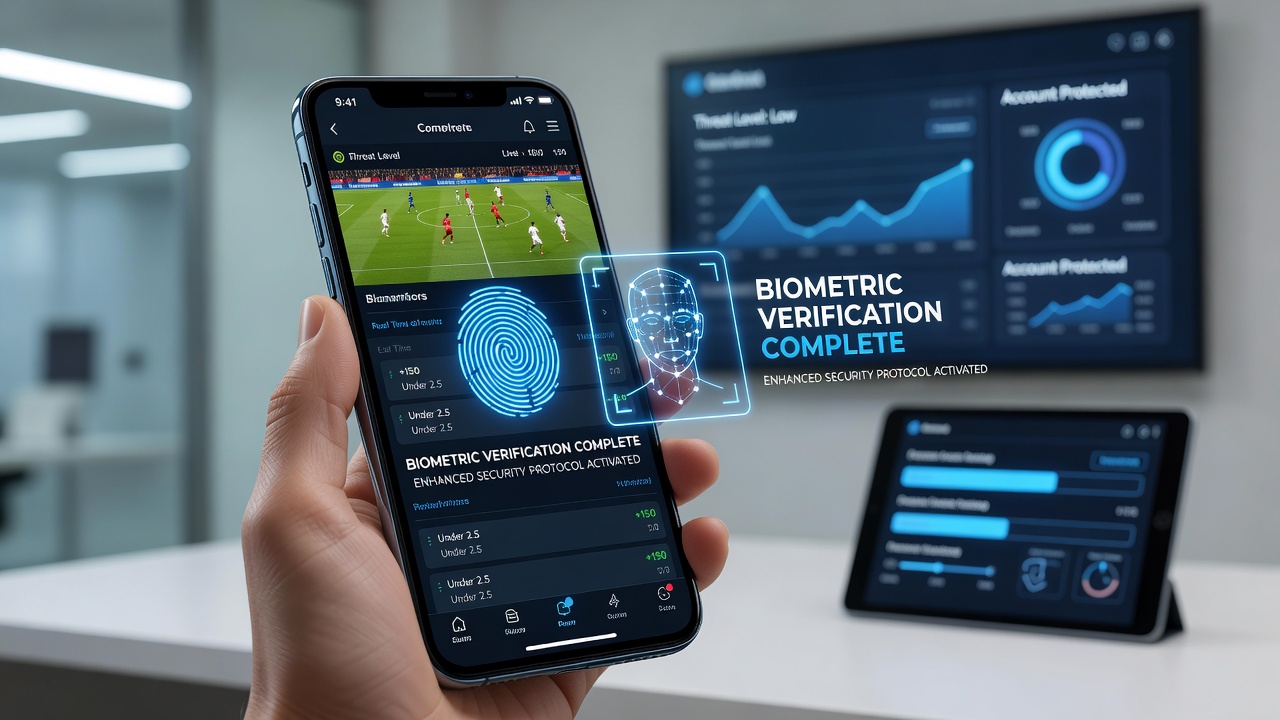
Biometric authentication has become a standard component in mobile sports wagering platforms as operators seek to strengthen account security against unauthorized access and fraud. These methods rely on unique physical or behavioral characteristics to verify user identity, replacing or supplementing traditional passwords and PINs in many jurisdictions. Data from industry reports indicate that adoption rates for such technologies rose steadily through 2025 and into 2026, driven by regulatory requirements and the need to protect high-volume transaction environments.
Primary Biometric Techniques in Use
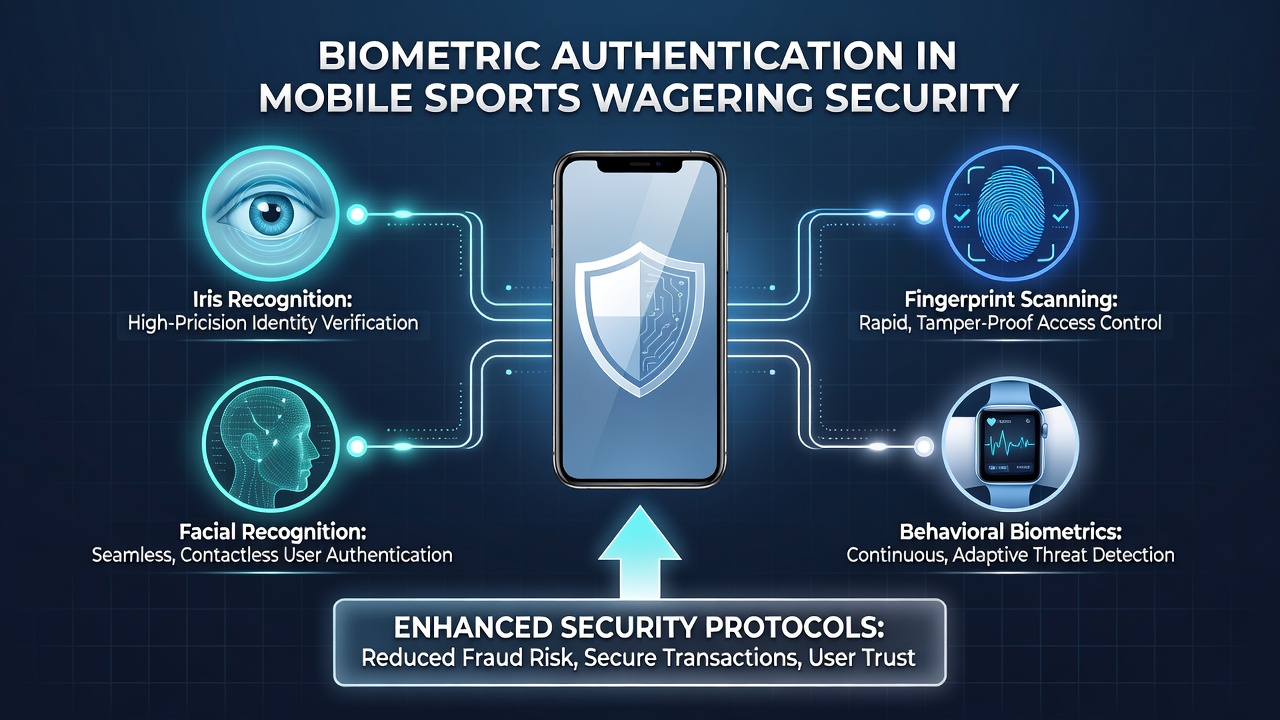
Fingerprint scanning remains one of the most widespread options because it integrates directly with hardware sensors already present on most smartphones. Facial recognition follows closely, using front-facing cameras to capture and analyze facial landmarks in real time. Voice recognition and iris scanning appear in select applications, though they require additional device capabilities or external hardware. Behavioral biometrics, which track patterns such as swipe speed, typing rhythm, and device handling, operate in the background without requiring explicit user action during each login.
Research from academic institutions shows that combining multiple biometric factors, known as multimodal authentication, reduces false acceptance rates compared to single-method systems. Operators often layer these techniques with device binding protocols that tie an account to a specific phone through hardware identifiers and location data.
Security Enhancements for Wagering Accounts
Mobile sports betting accounts process frequent deposits, withdrawals, and bet placements, creating elevated risks for account takeover attempts. Biometric methods address this by requiring physical presence verification that cannot be easily replicated through stolen credentials alone. Studies from research organizations indicate that platforms implementing facial recognition alongside behavioral analysis saw measurable declines in reported fraud incidents during peak betting periods in 2025.
These systems also support compliance with know-your-customer rules by linking verified identities to ongoing account activity. In August 2026, several state regulators updated guidelines to encourage or require biometric options for accounts exceeding certain transaction thresholds, reflecting broader efforts to align security standards across digital gambling platforms.
Regulatory Developments and Industry Standards
Regulatory bodies across North America and Europe have issued frameworks addressing biometric data handling in gambling contexts. The Alcohol and Gaming Commission of Ontario published updated security expectations in early 2026 that reference biometric verification as an acceptable control for remote account access. Similar guidance emerged from the New Jersey Division of Gaming Enforcement, emphasizing encryption standards for biometric templates stored on devices or servers.
Industry associations such as the American Gaming Association have compiled best practices drawn from member operators, highlighting the importance of obtaining explicit user consent before collecting biometric information. These documents stress that templates must remain protected through encryption and should not be shared across unrelated services.
Implementation Considerations and Technical Factors
Device compatibility presents an ongoing challenge because not all smartphones support the same biometric sensors at equivalent security levels. Operators address this by offering fallback options such as one-time passcodes sent via SMS or email when primary biometric checks fail. Network latency and lighting conditions can affect facial recognition accuracy during live events, prompting developers to incorporate adaptive algorithms that adjust thresholds based on environmental data.
Storage methods vary, with some platforms keeping encrypted templates on the device itself while others transmit them to secure servers for centralized verification. Each approach carries distinct implications for data breach scenarios and user privacy protections under laws like the California Consumer Privacy Act.
Observed Outcomes in Mobile Sports Betting
Platforms that integrated biometric authentication reported faster login times once users completed initial enrollment, which encouraged repeat engagement during live betting windows. Figures from market analyses show that accounts secured with multimodal biometrics experienced lower rates of manual review interventions by support teams. Yet implementation costs and the need for ongoing algorithm updates remain factors that smaller operators weigh against potential security gains.
Conclusion
Biometric authentication methods continue to shape security protocols for mobile sports wagering by providing verification mechanisms tied to individual users rather than easily transferable credentials. Regulatory updates through 2026 have reinforced their role in compliance frameworks, while technical refinements address compatibility and accuracy across diverse device ecosystems. As adoption expands, the focus remains on balancing protection measures with user accessibility and data protection requirements.