Player Retention Patterns Shaped by Tiered Reward Structures in Cross-Platform Casino Ecosystems
Written by Henrik Fischer · Aug 2, 2026
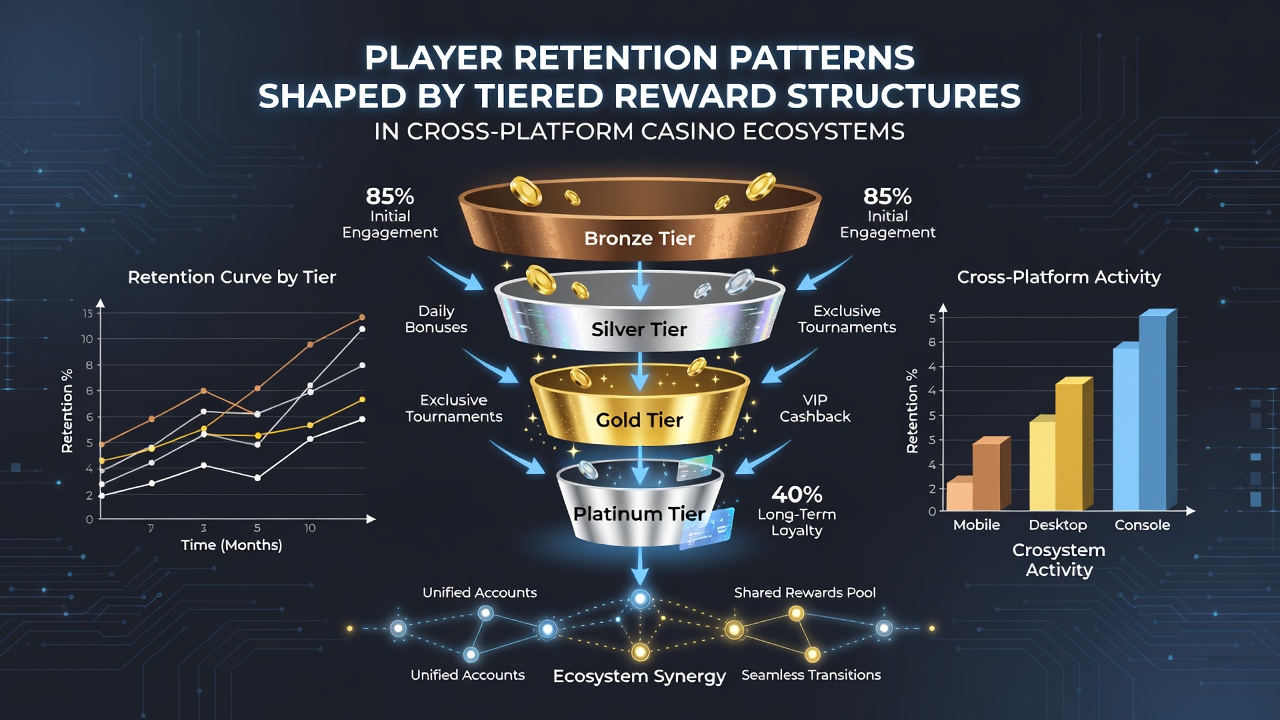
Player Retention Patterns Shaped by Tiered Reward Structures in Cross-Platform Casino Ecosystems
Operators in digital and land-based gambling environments deploy tiered reward structures to influence how players maintain activity over extended periods, and data from multiple jurisdictions tracks measurable shifts in session frequency alongside account longevity. These systems assign participants to progressive levels based on accumulated points or wagering volume, unlocking escalating benefits such as cashback percentages, exclusive event access, and personalized promotions that sync across mobile applications, web platforms, and physical venues.
Mechanics of Tier Progression and Point Accumulation
Players advance through bronze, silver, gold, and platinum tiers when they meet predefined thresholds, with each level recalibrating reward multipliers and redemption options in real time. Research from the American Gaming Association indicates that operators integrating these tiers across channels observe retention rates climbing as cumulative activity feeds a single unified profile rather than isolated accounts. Points earned from slot play on a mobile app transfer directly to table game wagers at a partnered casino floor, creating continuous loops that reduce churn during transitions between devices or locations.
Cross-Platform Data Synchronization Effects
Systems that link online and offline activity allow operators to adjust tier benefits dynamically, for instance granting faster progress toward higher levels when a player shifts from desktop sessions to in-person visits during the same calendar month. Figures compiled by the Nevada Gaming Control Board through August 2026 reveal that properties with synchronized loyalty databases report lower dropout rates at the six-month mark compared with those maintaining separate tracking mechanisms. This integration captures behavioral patterns such as peak login times and preferred game categories, then feeds those insights into automated reward triggers that keep engagement steady across ecosystems.
One study conducted by researchers at the University of Nevada, Reno tracked cohorts over twelve months and found that participants receiving tier-specific notifications via app push and email maintained average weekly deposits 18 percent higher than control groups without such prompts. The synchronization extends to live events, where tier status determines entry to tournaments streamed online, further anchoring activity within the broader network.
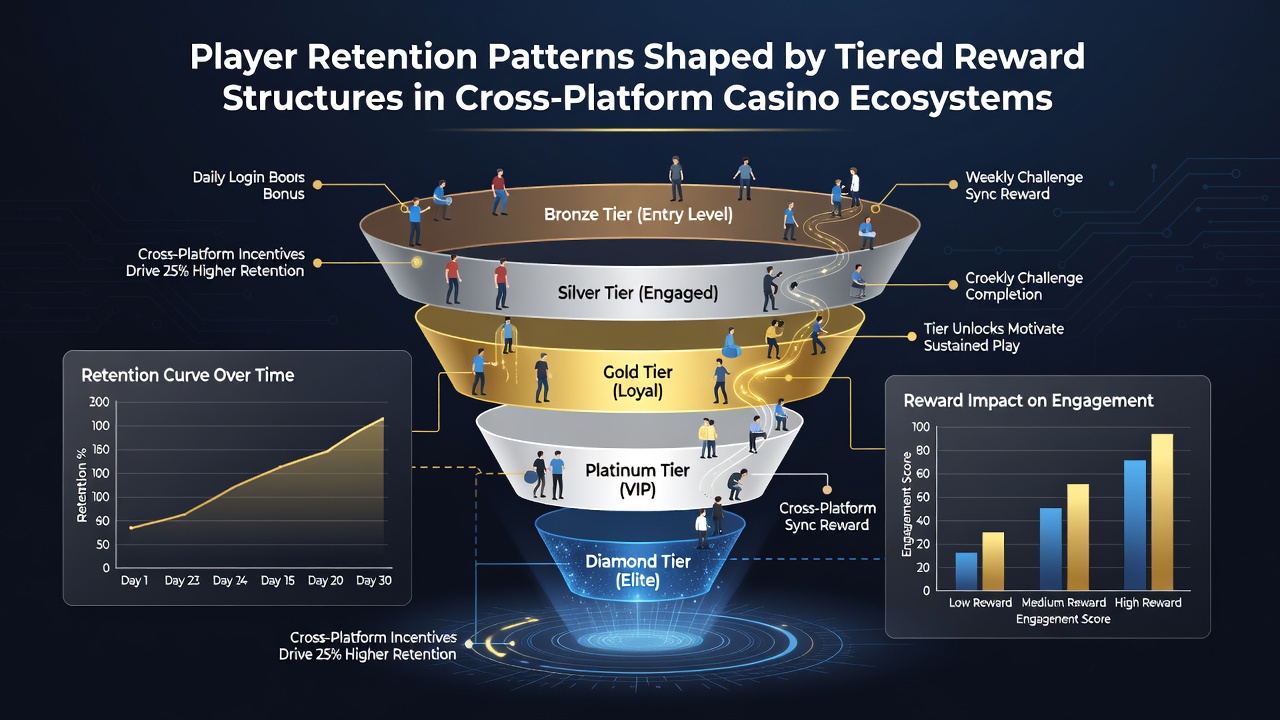
Observed Retention Metrics Across Jurisdictions
Canadian provincial regulators, including the Alcohol and Gaming Commission of Ontario, documented that cross-platform tier programs introduced in 2025 correlated with a measurable uptick in returning accounts within the first quarter of 2026. Retention curves flatten less sharply after the initial 30 days when players reach silver status and unlock deposit-match bonuses that apply equally to sports betting modules and casino game libraries. European operators operating under the Malta Gaming Authority framework similarly report extended lifetime value for accounts that migrate between desktop and mobile while accumulating tier credits, with data sets showing reduced dormancy periods during regulatory testing cycles.
What's notable is how these patterns hold across demographic slices, as operators segment data by age bands and geographic clusters to refine tier thresholds without altering core progression rules. Observers note that higher tiers often coincide with stabilized play intervals, where weekly activity persists even during promotional lulls because accumulated benefits like free spins or hotel stays provide ongoing incentives.
Algorithmic Adjustments and Player Response Patterns
Backend algorithms monitor tier movement velocity and trigger interventions when progression stalls, such as offering time-limited challenges that award bonus points upon completion. Those interventions appear most effective when delivered through the same unified interface that tracks cross-platform activity, according to internal metrics shared at industry conferences. Australian state gaming commissions have begun requiring operators to disclose how tier algorithms weight different game types, ensuring transparency that in turn supports consistent retention tracking across state lines.
Retention data compiled through August 2026 shows that players who achieve gold tier status within the first 90 days exhibit session lengths that remain elevated even after the initial novelty of new rewards fades. This stability stems from the compounding effect of tier benefits that scale with continued participation rather than one-time bonuses.
Conclusion
Tiered reward structures operating across connected casino platforms generate retention patterns that operators quantify through account longevity, deposit consistency, and cross-channel migration rates. Data collected by regulatory bodies and academic teams continues to map these dynamics as ecosystems expand, providing operators with granular benchmarks for calibrating progression thresholds and benefit delivery. The resulting frameworks link activity on one platform to advantages on another, sustaining engagement cycles that reflect in aggregated performance indicators reported through mid-2026.