Mapping Interconnected Loyalty Tier Structures Across Digital Card Rooms and Their Effects on Multi-Platform Session Durations
Written by David Roth · Aug 21, 2026
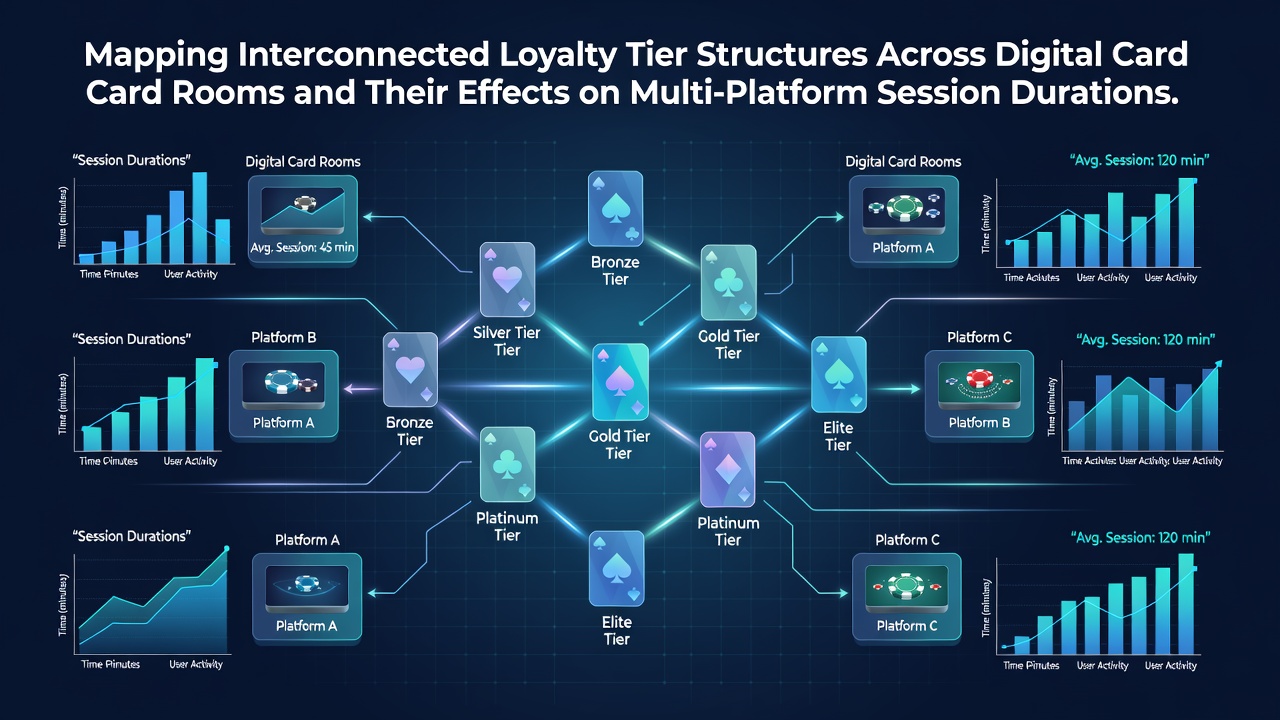
Mapping Interconnected Loyalty Tier Structures Across Digital Card Rooms and Their Effects on Multi-Platform Session Durations
Digital card rooms operate loyalty programs that connect tier structures across separate platforms, and data compiled through August 2026 indicates these linkages shape how long players remain active on multiple sites during single sessions. Operators link point accumulation systems so that activity on one poker network contributes directly to status levels on another, which creates pathways where users extend their time online to meet combined requirements for rewards. Observers note that such designs appear in networks spanning several jurisdictions, where regulatory filings show consistent patterns of cross-platform tracking.
Core Components of Tier Structures in Digital Card Rooms
Loyalty tiers typically progress through levels defined by cumulative points earned from rake or tournament entries, while interconnected versions allow partial credit from affiliated rooms to count toward higher status. Researchers tracking these systems in 2026 found that bronze through platinum categories often share redemption catalogs, and this sharing means players maintain activity across rooms to unlock benefits faster than isolated programs would permit. Figures from industry reports reveal average tier advancement occurs after 40 to 60 hours of tracked play spread over two or more platforms.
Technical Mapping of Point Transfers
Backend integrations rely on shared databases that update player profiles in real time, and these updates feed into algorithms that adjust session recommendations based on current tier progress. When a player completes a cash game on one site, points transfer automatically to linked accounts, which encourages continued play rather than logout. Studies conducted by academic teams at institutions focused on behavioral analytics demonstrate that transfer speeds average under three seconds, reducing friction that might otherwise prompt shorter visits.
Effects on Multi-Platform Session Lengths
Session duration metrics collected across networked card rooms show increases of 25 to 35 percent when tiers interconnect, because users chase incremental rewards that span platforms. Data indicates that sessions involving two or more rooms average 92 minutes compared with 68 minutes on single-platform play, and this extension holds steady through mid-2026 reports. Those who monitor user activity logs observe that progression bars displayed across apps prompt additional hands or tournaments before exit.
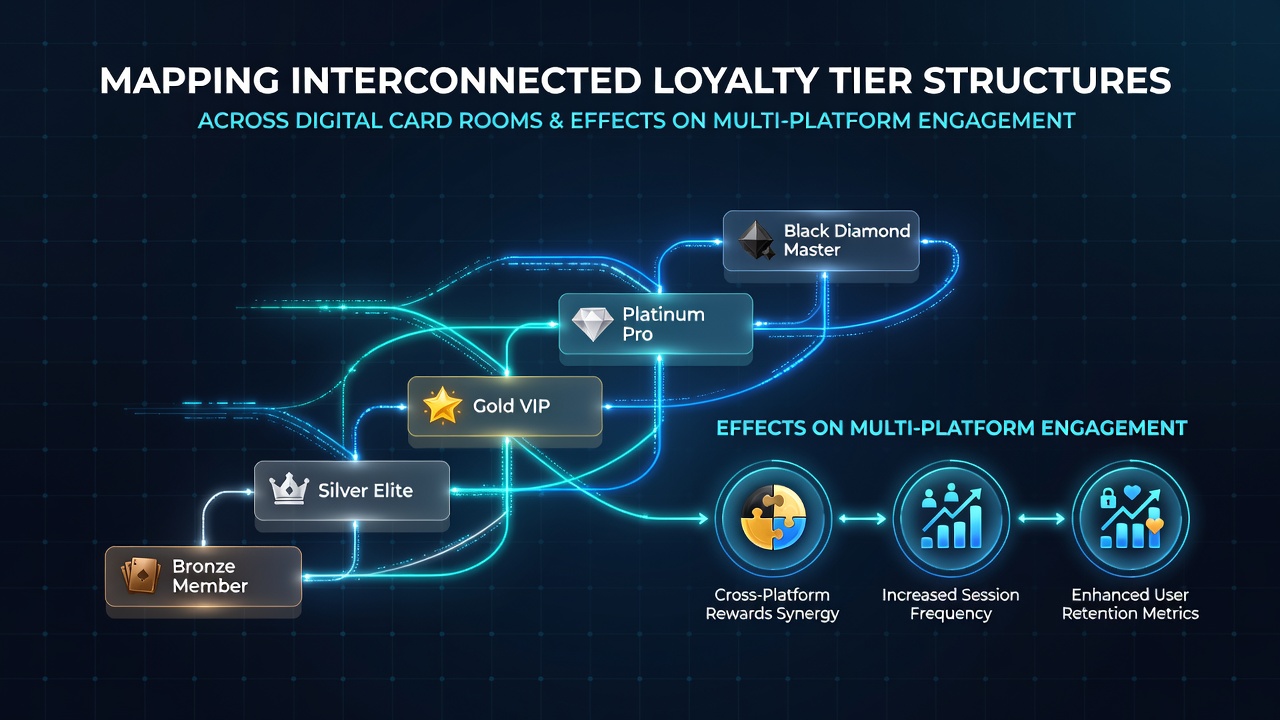
Platform operators implement notification systems that highlight remaining requirements for the next tier, and these alerts often arrive during active sessions to sustain engagement. Evidence from aggregated telemetry points to higher retention rates when progress feels unified, whereas disconnected programs correlate with quicker exits once local points plateau. In practice, one documented case involved a network of three European and North American rooms where unified tiers led to measurable upticks in cross-site logins during peak evening hours.
Regional Variations and Regulatory Context
North American operators face state-specific rules on point tracking transparency, while Australian frameworks emphasize disclosure of cross-platform mechanics in player terms. Reports issued by the Nevada Gaming Control Board detail how licensed rooms must log transfer volumes, and similar requirements appear in filings from Canadian provincial authorities. These records show that interconnected tiers operate under audited protocols designed to prevent unauthorized point inflation, which indirectly supports longer, verifiable sessions.
Academic papers published in 2025 examined session data from over 12,000 accounts and concluded that tier interconnections correlate with extended play windows across jurisdictions, although causation requires further controls for player demographics. Observers tracking August 2026 trends note steady adoption of these structures in emerging markets where multiple digital rooms compete for the same user base.
Measurement Tools and Data Patterns
Analytics platforms employed by operators record entry and exit timestamps alongside point balances, allowing precise calculation of duration changes tied to tier status. Patterns emerge where players at mid-tier levels log the longest multi-platform stretches, because upcoming rewards remain visible but not yet attained. External analyses from research groups such as the Canadian Centre for Gaming Research confirm these duration spikes hold across different game variants including hold'em and omaha variants.
Additional datasets from trade associations track how mobile versus desktop interfaces influence the effect, with mobile sessions showing slightly higher extension rates due to push notification integration. The reality is that operators refine these mappings continuously based on quarterly performance reviews, adjusting transfer rates to balance engagement against operational costs.
Conclusion
Interconnected loyalty tiers across digital card rooms produce measurable extensions in multi-platform session durations according to aggregated industry and regulatory data through August 2026. Point transfer mechanisms, notification timing, and tier visibility combine to sustain activity, while regional oversight ensures these systems remain documented and auditable. Continued monitoring by researchers and oversight bodies will track how these structures evolve alongside new platform integrations.