How Encrypted Transaction Ledgers Enable Instant Bonus Verification in Digital Casinos
Written by Henrik Fischer · Aug 21, 2026
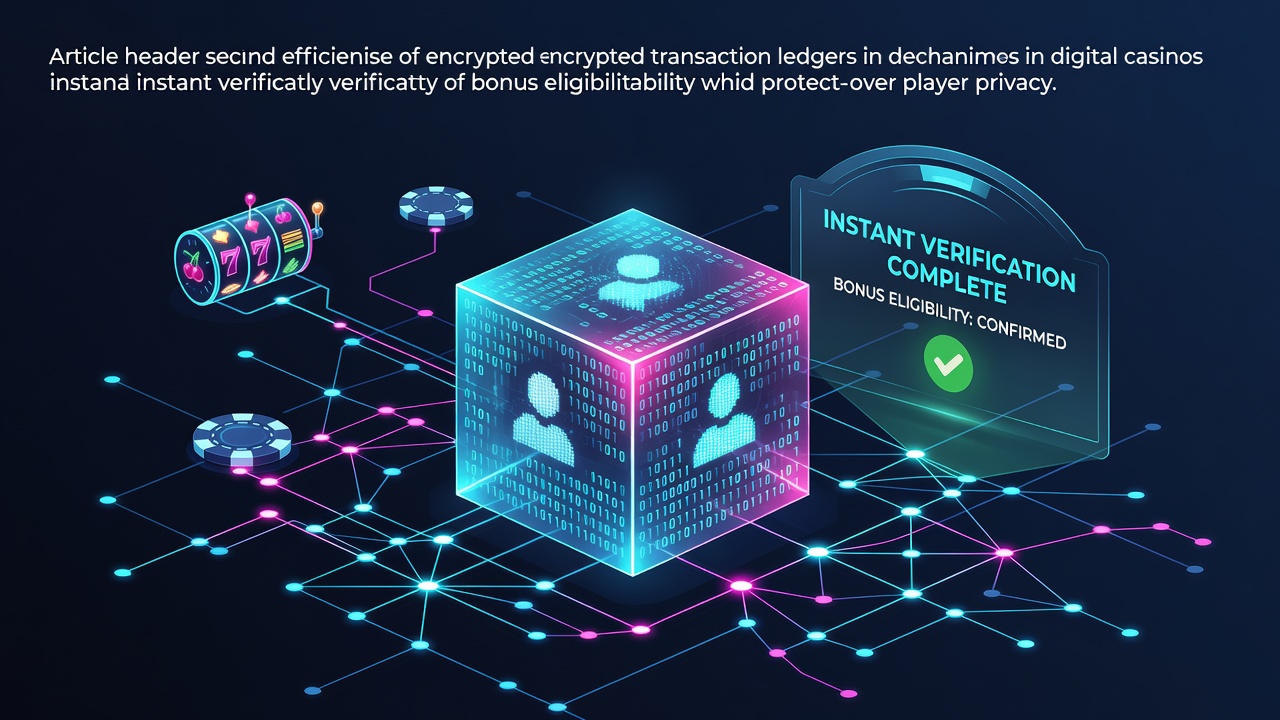
How Encrypted Transaction Ledgers Enable Instant Bonus Verification in Digital Casinos
Digital casinos rely on encrypted transaction ledgers to confirm player eligibility for bonuses in real time while keeping personal and financial details shielded from view, and this approach has gained traction through 2026 as operators integrate advanced cryptographic methods into their platforms. These ledgers record deposits, wagers, and redemptions as immutable entries protected by encryption layers, allowing systems to check conditions such as minimum deposit amounts or wagering thresholds without transmitting identifiable data across networks.
Core Mechanics of Encrypted Ledgers in Casino Systems
Operators store transaction data on distributed ledgers secured with public-key cryptography, where each entry receives a unique hash that links to prior records in a chain. Verification protocols query these hashes against bonus rules using zero-knowledge techniques, so the platform confirms whether a player meets criteria like completing 20 times the bonus value in wagers without revealing the underlying amounts or account identifiers. In August 2026, several North American platforms expanded these implementations following updates from state regulators that emphasized privacy standards in online gaming operations.
Transaction ledgers operate through nodes that maintain synchronized copies of the encrypted database, and consensus algorithms ensure every addition remains tamper-resistant. When a bonus claim arrives, the system runs a cryptographic check that matches ledger entries to eligibility parameters, returning a simple yes-or-no result rather than raw player data. This process reduces verification times from minutes to seconds compared with traditional database queries that require full record access.
Privacy Preservation During Eligibility Checks
Encrypted ledgers incorporate homomorphic encryption features that permit calculations on ciphered data, meaning platforms can sum wager totals or compare deposit histories without decrypting individual entries. Players receive confirmation of bonus qualification through secure channels that transmit only the outcome, while the ledger itself stays inaccessible to unauthorized parties. Observers note that such methods align with data protection expectations outlined by agencies like the Alcohol and Gaming Commission of Ontario, which oversees digital gaming frameworks emphasizing minimal data exposure.
Case examples from European operators demonstrate how these ledgers handle multi-platform bonus chains, where eligibility spans slot and table game activity recorded across separate encrypted entries. The verification engine aggregates qualifying wagers through blinded computations, confirming totals meet requirements while omitting any linkage to specific game sessions or player profiles. Data from industry reports indicates adoption rates climbed steadily into mid-2026 as platforms sought compliance with evolving privacy regulations across jurisdictions.
Integration With Existing Casino Infrastructure
Casino management systems connect to ledger APIs that expose verification endpoints without granting direct database access, and this separation keeps bonus engines isolated from sensitive player information. When a deposit triggers a welcome bonus, the ledger entry updates in encrypted form, and subsequent playthrough checks reference only cryptographic proofs rather than transaction logs visible to staff. American Gaming Association analyses from 2026 highlight how these integrations support higher transaction volumes while maintaining audit trails that regulators can review through aggregated, anonymized summaries.

Developers implement smart contracts on permissioned ledgers to automate bonus releases once conditions verify, and these contracts execute only after cryptographic validation succeeds. The approach avoids exposing details such as payment method or session history because the contract logic operates on hashed values alone. Platforms in multiple regions report that this automation cuts manual review workloads, allowing support teams to focus on other operational areas.
Regulatory and Technical Considerations in 2026
State-level oversight bodies in the United States require operators to demonstrate that ledger-based verifications preserve player confidentiality during audits, and testing protocols now include simulated attacks to confirm encryption strength. Research from academic groups examining cryptographic applications in gaming environments shows that ledger architectures using zk-SNARKs achieve verification speeds suitable for high-frequency bonus claims without compromising security. Platforms continue to refine these systems to handle increased mobile traffic observed through the summer months of 2026.
Cross-border operators face additional layers of compliance when ledgers must satisfy differing regional standards, yet the encrypted format allows selective disclosure of aggregated metrics to authorities while withholding individual records. This flexibility supports continued expansion of digital casino offerings that incorporate bonus structures verified through ledger queries.
Conclusion
Encrypted transaction ledgers provide digital casinos with a mechanism to validate bonus eligibility through cryptographic proofs that confirm conditions while withholding player specifics from exposure. As implementations mature in August 2026 and beyond, these systems integrate with regulatory frameworks across North America and Europe to deliver efficient, privacy-focused operations that scale with platform growth. The underlying ledger technology continues to evolve through refinements in encryption protocols and consensus methods, supporting the verification needs of modern online gaming environments.