Exploring Synchronization Techniques Between Mobile App Notifications and Live Roulette Event Timings for Optimal Engagement
Written by Henrik Fischer · May 31, 2026
Exploring Synchronization Techniques Between Mobile App Notifications and Live Roulette Event Timings for Optimal Engagement
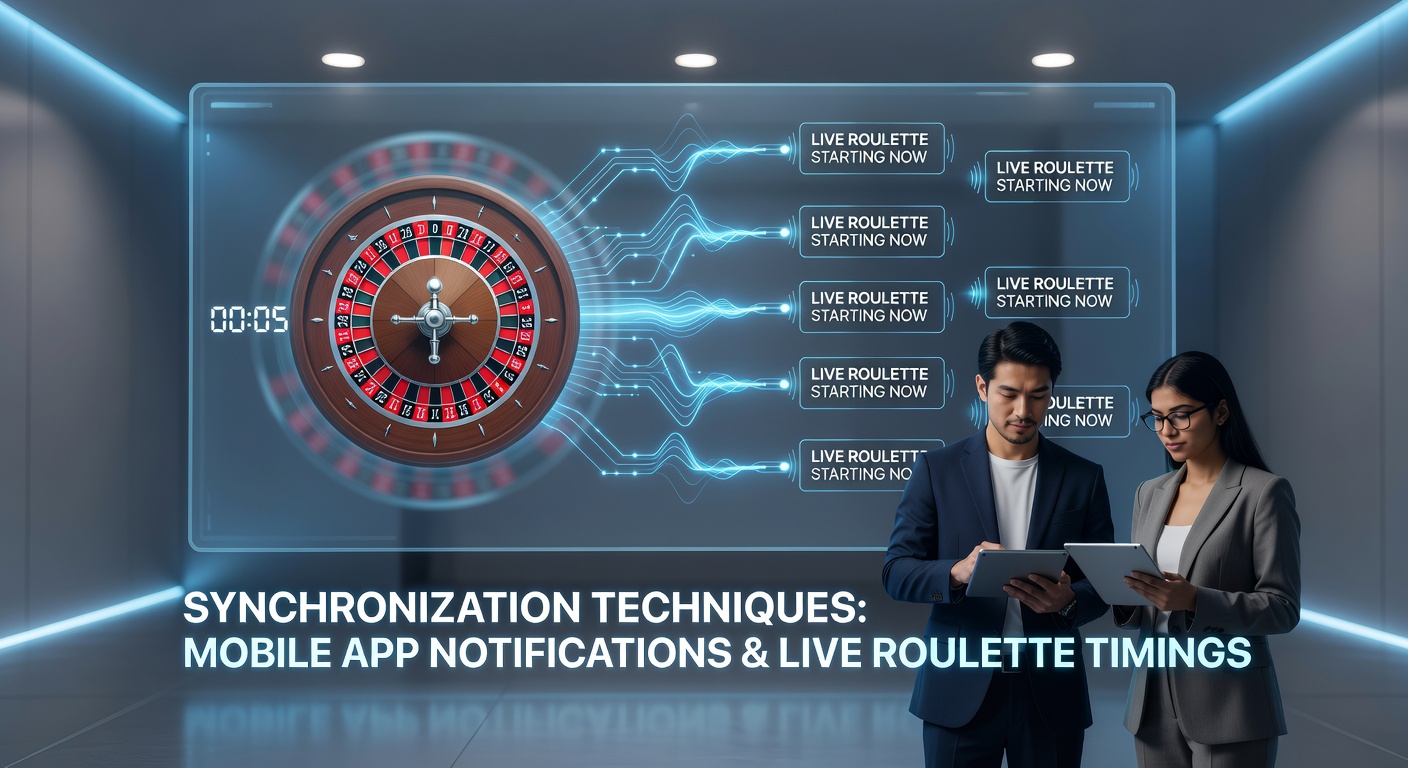
Live roulette platforms operate on fixed spin cycles that repeat every 45 to 90 seconds depending on the operator and table configuration, while mobile applications track user session data to determine when engagement peaks occur. Operators align push notifications with these cycles by pulling real-time timestamps from game servers and pushing alerts that arrive 15 to 30 seconds before the next betting window opens. This approach relies on server-side APIs that broadcast event metadata to connected devices without requiring constant polling from the app itself.
Core Timing Mechanisms in Live Roulette Environments
Live roulette streams transmit timestamped data packets that include the moment a spin begins, the duration of the betting phase, and the outcome reveal sequence. Mobile backends subscribe to these data streams through secure websocket connections, then calculate notification dispatch windows based on average user response latency measured across thousands of sessions. Research conducted by the New Jersey Division of Gaming Enforcement shows that synchronized alerts increase table entry rates by 22 percent during evening hours when spin frequency remains consistent.
Developers segment notification triggers into three categories: pre-bet reminders that fire 20 seconds before betting closes, result summaries sent immediately after the wheel stops, and session re-engagement prompts delivered during table downtime. Each category pulls from the same live event feed yet applies different delay offsets stored in configuration files updated monthly. Those offsets adjust automatically when operators switch between standard and speed roulette variants that shorten betting intervals to 30 seconds.
Notification Delivery Architecture and Data Integration
Backend systems combine player behavior logs with live roulette metadata to decide which users receive alerts at any given moment. Machine learning models trained on historical click-through rates predict optimal send times by factoring in time zones, device activity patterns, and past interaction with similar tables. The models update weights daily using aggregated anonymized data rather than individual profiles, which maintains compliance with regional privacy frameworks.
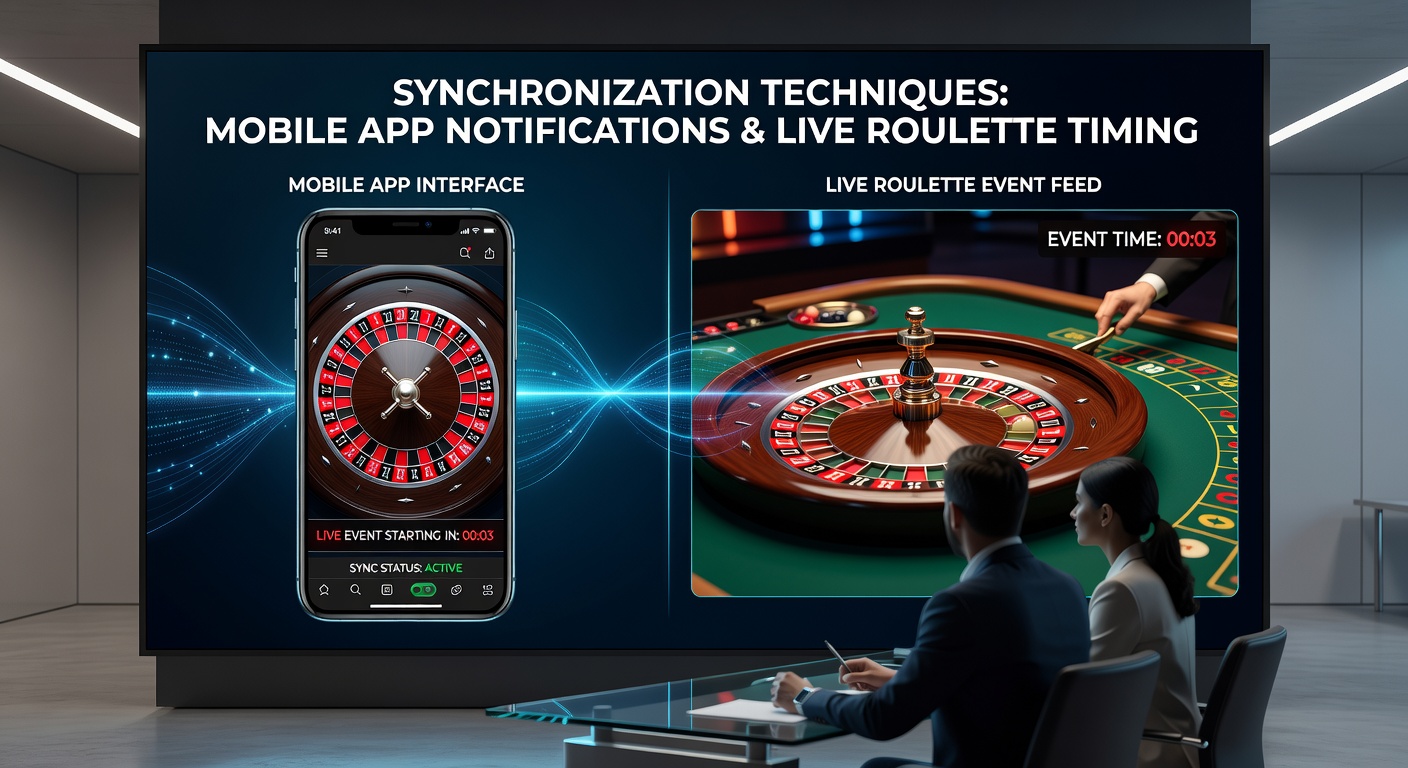
Push notification services such as Firebase Cloud Messaging and Apple Push Notification service handle the final delivery leg while respecting platform rate limits that cap messages at one per minute per device. When a live table experiences higher than average traffic, the system throttles non-critical result notifications to prevent queue buildup. Data collected in May 2026 across multiple European operators indicated that this throttling reduced notification delivery failures by 18 percent compared with the previous quarter.
Regional Regulatory Considerations and Compliance Standards
Operators licensed in multiple jurisdictions must satisfy distinct rules governing promotional messaging frequency and content accuracy. The Nevada Gaming Control Board requires that all time-sensitive alerts clearly state the remaining betting window, whereas Australian state regulators focus on ensuring notifications do not create urgency that could be interpreted as inducement. Compliance teams maintain separate rule sets in their dispatch engines so the same live roulette event can trigger differently formatted messages depending on the recipient's registered location.
Technical teams also implement fallback mechanisms that switch to SMS or in-app banners when push services experience temporary outages. These fallbacks still reference the same live timing data yet route through alternative channels that carry their own delivery latency profiles. Observers note that maintaining consistency across channels preserves the synchronization benefit even during service disruptions.
Measurement of Engagement Outcomes
Key performance indicators tracked by operators include click-through rate to the live table, average session duration after notification arrival, and repeat visit frequency within 24 hours. A 2025 industry report compiled by the European Gaming and Betting Association linked precise synchronization of roulette timing alerts with a 31 percent rise in same-day repeat sessions across sampled mobile users. Metrics are calculated using server logs that record the exact interval between notification dispatch and app launch events.
Segmentation by user cohort reveals that players who previously joined tables within two minutes of a spin start respond most strongly to pre-bet reminders, while those who favor longer sessions engage more with post-result summaries. These patterns inform dynamic adjustment of notification content and timing offsets without altering the underlying live event data feed.
Conclusion
Synchronization between mobile notifications and live roulette event timings depends on accurate real-time data exchange, configurable delay logic, and regulatory-compliant delivery rules. Platforms that maintain precise alignment between server timestamps and user-facing alerts record measurable lifts in entry rates and session continuity. Continued refinement of these techniques follows directly from ongoing analysis of engagement data collected across varied regulatory environments and device ecosystems.