Examining Biometric Sensor Integrations in Virtual Poker Interfaces and Their Ties to Hand Selection Frequencies Across Licensed Digital Platforms
Written by Noah Butler · Aug 14, 2026
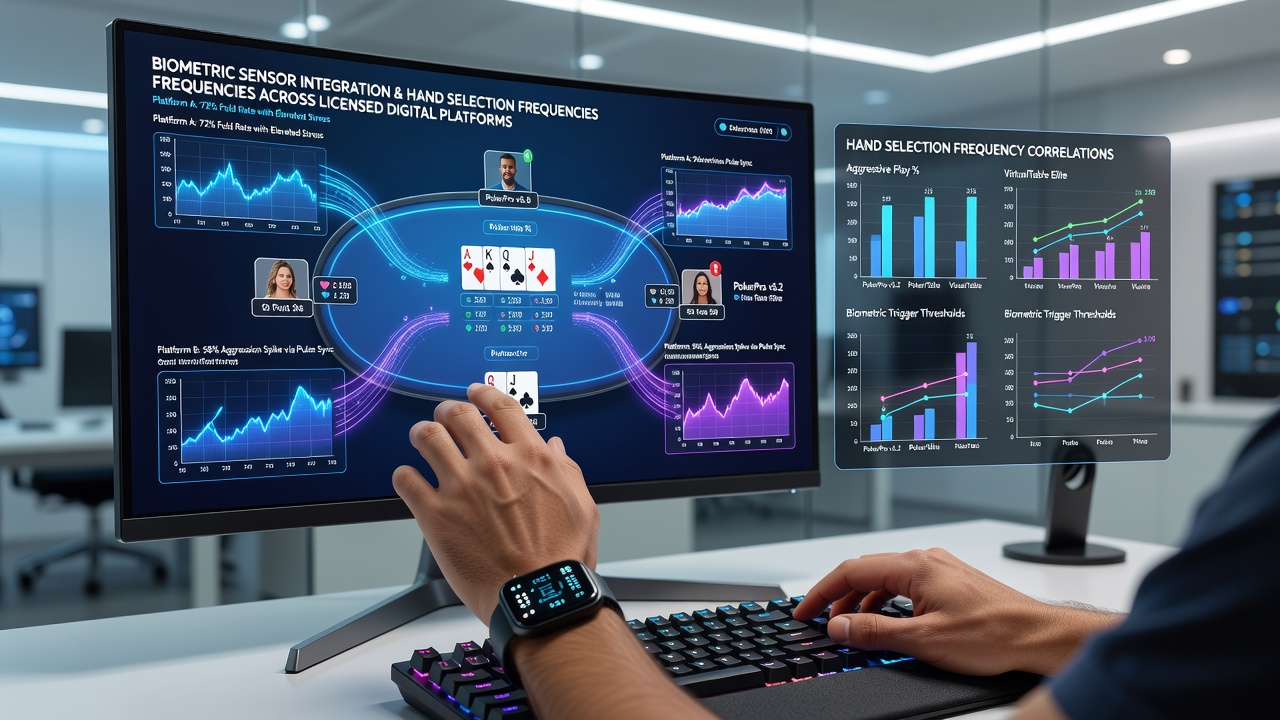
Examining Biometric Sensor Integrations in Virtual Poker Interfaces and Their Ties to Hand Selection Frequencies Across Licensed Digital Platforms
Biometric Technology in Licensed Poker Environments
Platforms operating under regulatory oversight in multiple jurisdictions have incorporated biometric sensors into virtual poker interfaces to monitor physiological responses during gameplay, and these integrations track metrics such as heart rate variability, eye movement patterns, and skin conductance levels while players engage with digital tables. Licensed operators collect this information through wearable device pairings or built-in camera systems, which feed real-time data into backend algorithms designed to analyze decision-making processes across sessions.
Data from these systems shows correlations between elevated arousal indicators and shifts in hand selection frequencies, where participants facing higher stress readings tend to fold marginal holdings more often or tighten their opening ranges in subsequent hands. Observers note that such patterns emerge consistently across platforms serving regions including parts of North America and Asia, with reports indicating measurable changes in play styles when biometric thresholds are crossed during live events.
Data Collection Methods and Platform Implementation
Operators employ a combination of optical sensors for pupil dilation tracking and galvanic skin response devices to gather continuous readings, and these tools transmit anonymized aggregates to compliance teams for review under established data protection frameworks. In August 2026, several major licensed networks expanded their sensor capabilities to include integration with consumer fitness trackers, allowing users to opt into sharing additional heart rate streams that link directly to poker client software.
Studies conducted by research groups affiliated with institutions in Canada and Singapore have documented how eye-tracking components reveal fixation durations on community cards, which in turn associate with selective aggression in betting rounds following strong biometric signals. Figures from these analyses demonstrate that players exhibiting rapid eye movements paired with stable pulse rates adjust their hand frequencies toward more speculative calls compared to baseline sessions without sensor input.
Correlations Between Physiological Signals and Hand Selection Patterns
Analysis of aggregated datasets from licensed environments reveals that increases in skin conductance often precede reductions in voluntary hand participation rates, particularly during multi-table tournaments where decision volume rises sharply. Researchers tracking thousands of sessions found that participants with sustained biometric elevation selected premium starting hands at frequencies approximately 12 to 18 percent higher than their established norms, while those showing recovery patterns reverted toward looser selections within a few orbits.
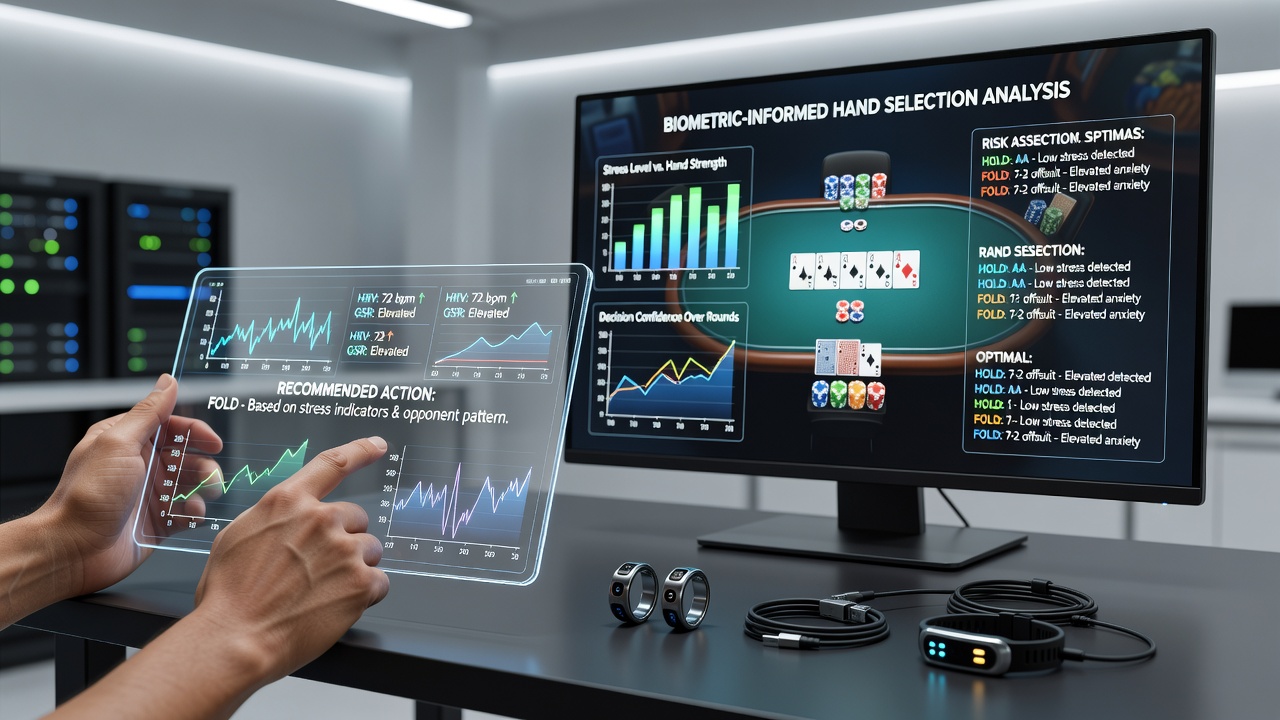
Regulatory bodies such as the iGaming Ontario have reviewed these sensor outputs as part of broader responsible gaming protocols, and industry associations including the European Gaming and Betting Association have compiled comparative reports across jurisdictions. These documents highlight how hand frequency adjustments align with biometric spikes without attributing causation, focusing instead on observable statistical relationships derived from platform logs.
Regulatory Oversight and Cross-Platform Comparisons
Licensed digital platforms must adhere to standards set by regional authorities that mandate secure handling of biometric information, and compliance audits examine whether sensor data influences automated game features or player notifications. Comparisons between North American and European operators show similar trends in hand selection tied to physiological monitoring, although implementation details vary based on local technology adoption rates and user consent mechanisms.
One study released through academic channels in 2025 examined over 500,000 hands across multiple sites and identified clusters where biometric stabilization coincided with expanded hand ranges in later tournament stages. Those findings align with observations from platform operators who report using such insights to refine interface elements like betting sliders and decision timers without altering core game mechanics.
Conclusion
Biometric integrations continue to expand within licensed virtual poker environments as operators refine methods for linking physiological data to observable play metrics including hand selection frequencies. Ongoing monitoring by regulatory entities and research collaborations provides structured datasets that map these relationships across diverse player populations and jurisdictional boundaries, supporting further examination of technology applications in digital gaming contexts.