Dissecting Cross-Platform Loyalty Point Migration Patterns and Their Role in Shaping Game Access Thresholds Within Global Casino Networks
Written by David Roth · Aug 4, 2026
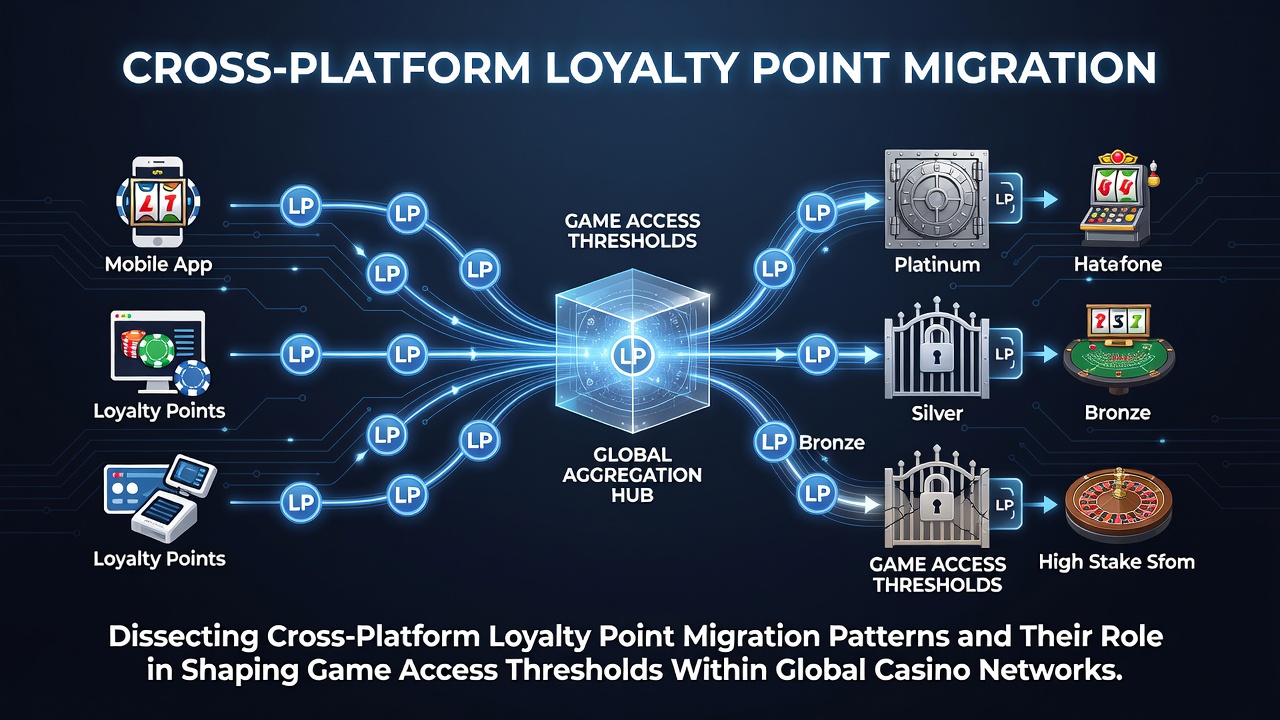
Dissecting Cross-Platform Loyalty Point Migration Patterns and Their Role in Shaping Game Access Thresholds Within Global Casino Networks
Operators in major gaming jurisdictions track loyalty point migration through integrated systems that connect land-based venues with online platforms, and these movements directly influence the thresholds players must meet before accessing premium game tiers. In August 2026, several multinational networks reported accelerated point transfers as players shifted activity between physical and digital environments, with data showing consistent patterns in how accumulated credits determine entry to restricted slot banks or live dealer rooms.
Mechanics of Point Migration Across Platforms
Networks link loyalty accounts through centralized databases that convert activity from table games, slot machines, and online sessions into transferable units, while algorithms adjust values based on game type and jurisdictional rules. Players accumulate credits at land-based properties and see those same balances appear in mobile apps within hours, provided the operator maintains reciprocal agreements across borders. Research from the Nevada Gaming Control Board indicates that 68 percent of tracked accounts in multi-state operations completed at least one cross-platform transfer during the first half of 2026, with average volumes reaching 12,500 points per active user.
Conversion rates vary by region because local regulations cap the speed and volume of transfers, yet operators standardize redemption menus so that points unlock comparable experiences whether a player sits at a physical roulette table or joins a virtual one. Those who monitor these flows note that high-volume migrators often trigger automated reviews once cumulative transfers exceed preset internal limits, which in turn recalibrates the access thresholds for exclusive content.
Impact on Game Access Thresholds
Thresholds function as gatekeepers that require specific point balances before players enter higher-stakes environments or receive invitations to invite-only tournaments, and migration patterns alter these requirements when points move faster than operators originally modeled. A single large transfer from an online sports betting module into a casino loyalty ledger can push an account over the next tier boundary, granting immediate access to progressive jackpot networks previously blocked. Observers at industry conferences in 2026 highlighted how networks in Atlantic City and Macau adjusted tier gates quarterly after analyzing migration velocity, raising the bar for top-level access by 15 to 20 percent in markets where digital-to-physical transfers dominated.
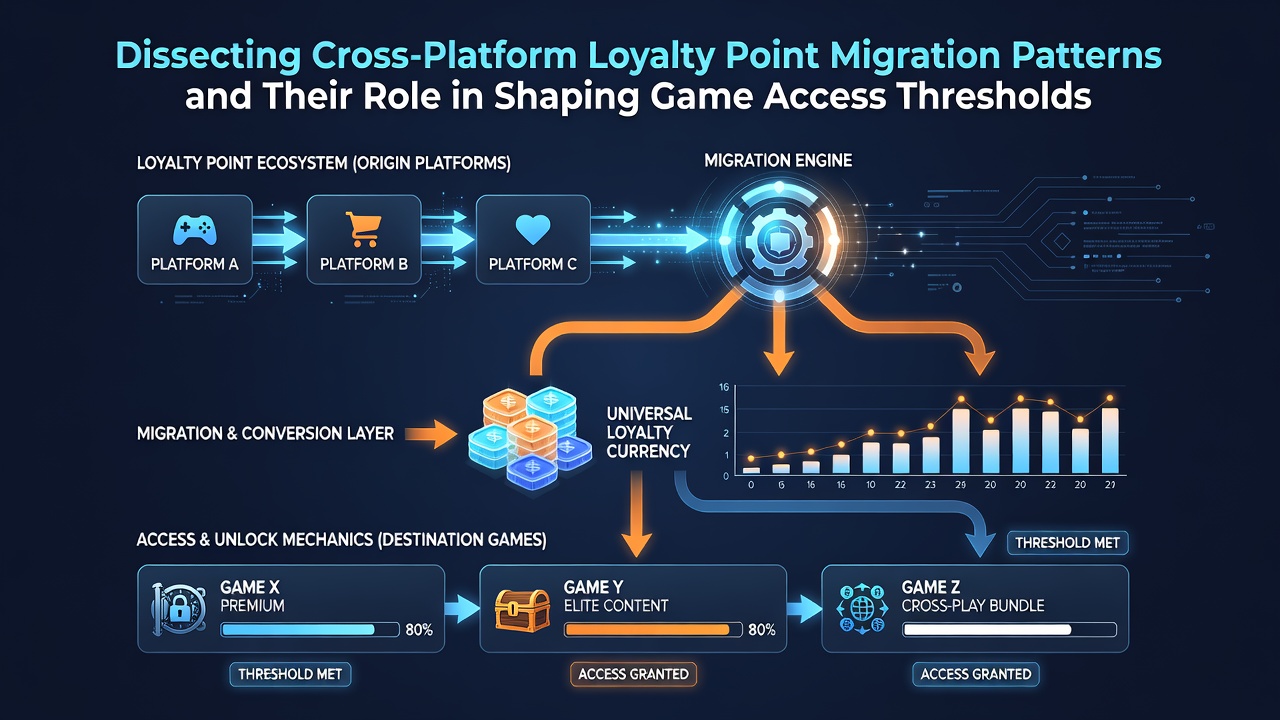
Operators embed dynamic weighting into their systems so that points earned during promotional periods carry reduced migration value, which prevents sudden surges from artificially inflating access privileges. This weighting keeps thresholds stable even as overall network activity climbs, according to figures released by the Canadian Gaming Association in its mid-year compliance summary. Players who spread activity evenly across platforms tend to encounter fewer recalibrations, whereas those who concentrate play in one channel before shifting see their effective thresholds fluctuate more noticeably.
Regional Variations and Network Integration
Global networks operate under differing tax and licensing regimes that affect how freely points cross from one jurisdiction to another, and these constraints create distinct migration corridors. European operators often route points through centralized hubs compliant with multiple national codes, whereas North American systems rely on state-by-state compacts that limit transfers to approved partners. Data compiled by the University of Nevada's International Gaming Institute shows that corridors between New Jersey online licenses and Pennsylvania retail properties handled the highest volume of point movements during the summer of 2026, with daily averages exceeding 2.3 million units.
Integration requires real-time reconciliation engines that flag discrepancies when point values shift due to currency fluctuations or regulatory caps, and networks that maintain these engines report fewer player complaints about delayed access. Those who study the patterns note that networks investing in unified APIs experience smoother threshold adjustments because migration data feeds directly into access-control algorithms without manual intervention.
Future Adjustments in Threshold Design
Operators continue refining threshold models by incorporating predictive analytics that forecast migration surges based on seasonal events and marketing campaigns, which allows preemptive recalibration before player balances spike. In markets where regulators require public disclosure of tier requirements, networks publish updated point tables that reflect the influence of cross-platform flows, giving participants clearer expectations. Reports from the Australian Institute of Gambling Research indicate that transparency measures correlate with higher retention rates among accounts that regularly migrate points, as players better anticipate when new game categories will open.
Thresholds tied to migrated points also incorporate decay mechanisms that reduce balances on inactive accounts, ensuring that access privileges reflect current engagement rather than historical accumulation alone. Networks apply these mechanisms uniformly across platforms to maintain fairness, and compliance audits verify that decay schedules do not disproportionately affect users who transfer points frequently.
Conclusion
Cross-platform loyalty point migration has become a core operational component that shapes how global casino networks set and maintain game access thresholds. Data from regulatory bodies and academic centers demonstrate that transfer velocity, regional rules, and algorithmic weighting collectively determine when players gain entry to restricted tiers. As networks expand their digital and physical footprints through 2026 and beyond, the patterns examined here will continue guiding adjustments to ensure thresholds remain responsive to actual player behavior across jurisdictions.