Cross-Border Self-Exclusion Networks: How Exclusion Lists Coordinate Between Online Operators in Multiple Regions
Written by Henrik Fischer · Jul 12, 2026
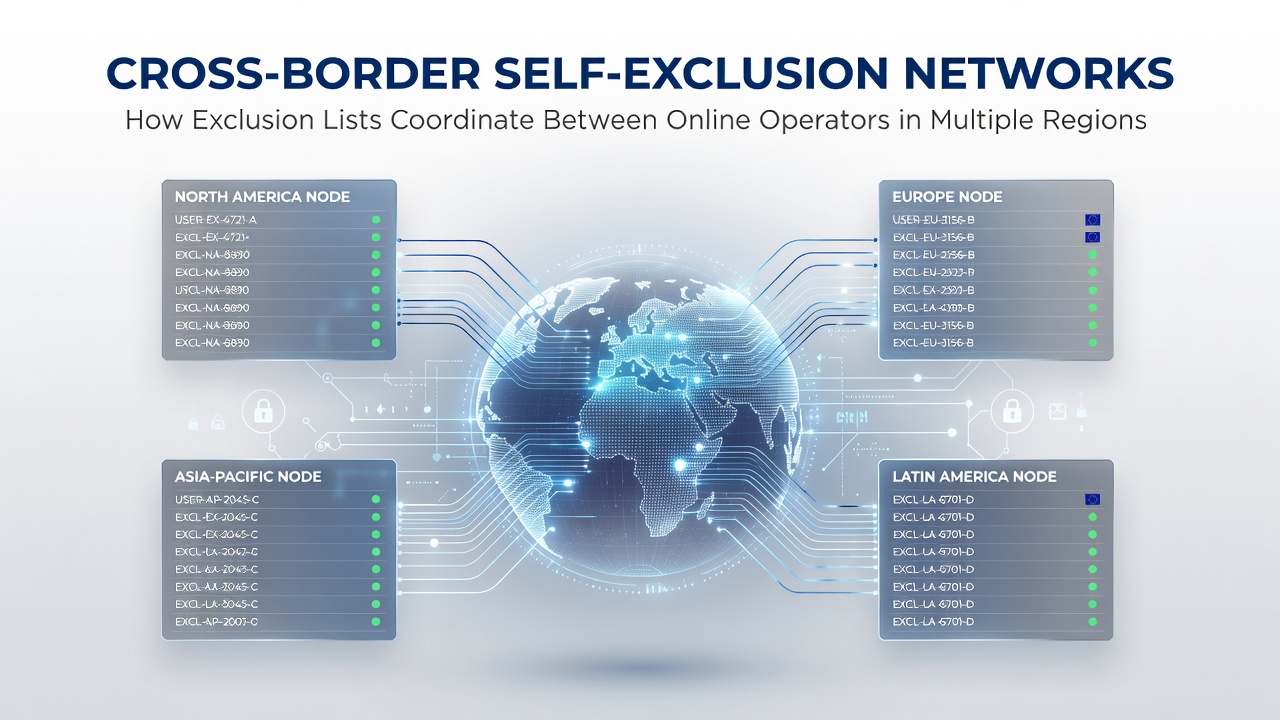
Cross-Border Self-Exclusion Networks: How Exclusion Lists Coordinate Between Online Operators in Multiple Regions
Self-exclusion programs allow individuals to restrict their access to gambling platforms, and cross-border networks extend this protection by sharing exclusion data among operators in different countries and regions. These systems rely on centralized databases and secure data-sharing protocols that operators access in real time to verify user status before account creation or gameplay. Coordination happens through agreements between regulatory bodies and technology providers that standardize data formats while respecting local privacy laws.
Core Components of Multi-Region Exclusion Systems
Operators in participating jurisdictions transmit hashed user identifiers and exclusion periods to shared repositories, which reduces duplication of effort and prevents players from bypassing restrictions by switching platforms across borders. Data synchronization occurs at regular intervals, often hourly, using encrypted channels that comply with standards set by regional authorities. Research from academic institutions indicates that such networks cover thousands of online sites in Europe, North America, and parts of Asia-Pacific, with participation growing as licensing requirements evolve.
Technical Coordination Processes
Secure application programming interfaces connect individual operator systems to regional hubs, which then link to international clearinghouses. When a user registers for self-exclusion in one jurisdiction, the details propagate through these connections within minutes, triggering blocks on linked platforms elsewhere. Encryption standards such as AES-256 protect the transmitted records, while audit logs track every query and update for compliance verification. Observers note that blockchain-based ledgers have entered pilot testing in several markets to create immutable records of exclusion status changes.
Regional Implementation Examples
European operators participate in networks facilitated by the European Gaming and Betting Association, which maintains protocols for cross-member-state data exchange under the Digital Services Act framework. In North America, several Canadian provinces integrate their lists through the Canadian Centre on Substance Use and Addiction, allowing seamless checks between provincial operators and extending limited coordination with U.S. state systems where permitted by interstate compacts. Australian regulators require similar sharing among licensed online bookmakers via centralized reporting to state gaming commissions, creating effective barriers for excluded individuals attempting to access offshore or domestic sites.
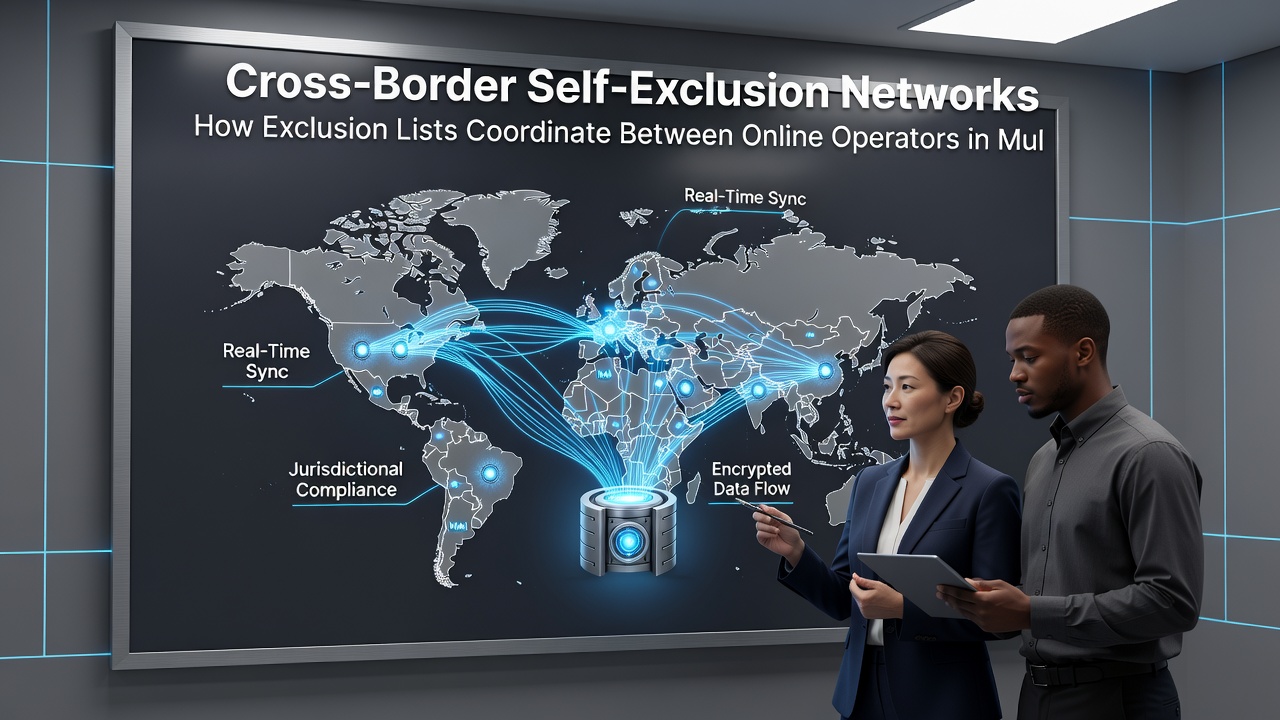
These arrangements demonstrate how technical standards align despite differing legal environments. For instance, one study revealed that operators in multiple jurisdictions reduced unauthorized access attempts by cross-referencing exclusion lists daily, which cut repeat registrations from previously excluded users. The process involves automated matching algorithms that flag partial name or address similarities while requiring human review for edge cases to avoid false positives.
Regulatory Support and Data Privacy Balance
Government agencies enforce participation through licensing conditions that mandate membership in approved networks, while data protection rules such as the EU General Data Protection Regulation require explicit consent mechanisms and data minimization practices. July 2026 saw updates to several bilateral agreements between North American and European regulators that refined data retention periods and expanded audit rights for independent reviewers. These changes addressed concerns about long-term storage of personal information without compromising the speed of exclusion enforcement.
Operational Challenges in Practice
Latency in cross-border data transfers can occasionally delay verification during peak registration periods, prompting operators to implement local caching with periodic reconciliation. Jurisdictional differences in exclusion durations and revocation procedures require mapping tables that translate one region's rules into another's format. Industry reports show that training programs for compliance staff focus on recognizing these variations to maintain consistent user experiences across platforms.
Future Outlook for Network Expansion
Emerging markets in Latin America and Southeast Asia have begun exploratory talks with established networks to adopt compatible protocols. Technology vendors continue to refine matching accuracy using machine learning models trained on anonymized historical data. Continued investment in these infrastructures supports broader responsible gambling initiatives without requiring operators to rebuild systems from scratch each time new regions join.
Conclusion
Cross-border self-exclusion networks function through standardized data exchange, regulatory mandates, and ongoing technical refinements that connect operators across multiple regions. Evidence from participating jurisdictions demonstrates measurable reductions in access attempts by excluded individuals, while privacy safeguards and audit processes maintain system integrity. As more markets integrate into these frameworks, coordination mechanisms will continue to evolve in response to technological and legislative developments.