Assessing Geofencing Implementations and Their Impact on Access Controls in Region-Specific Betting Applications
Written by Henrik Fischer · Jun 9, 2026
Assessing Geofencing Implementations and Their Impact on Access Controls in Region-Specific Betting Applications
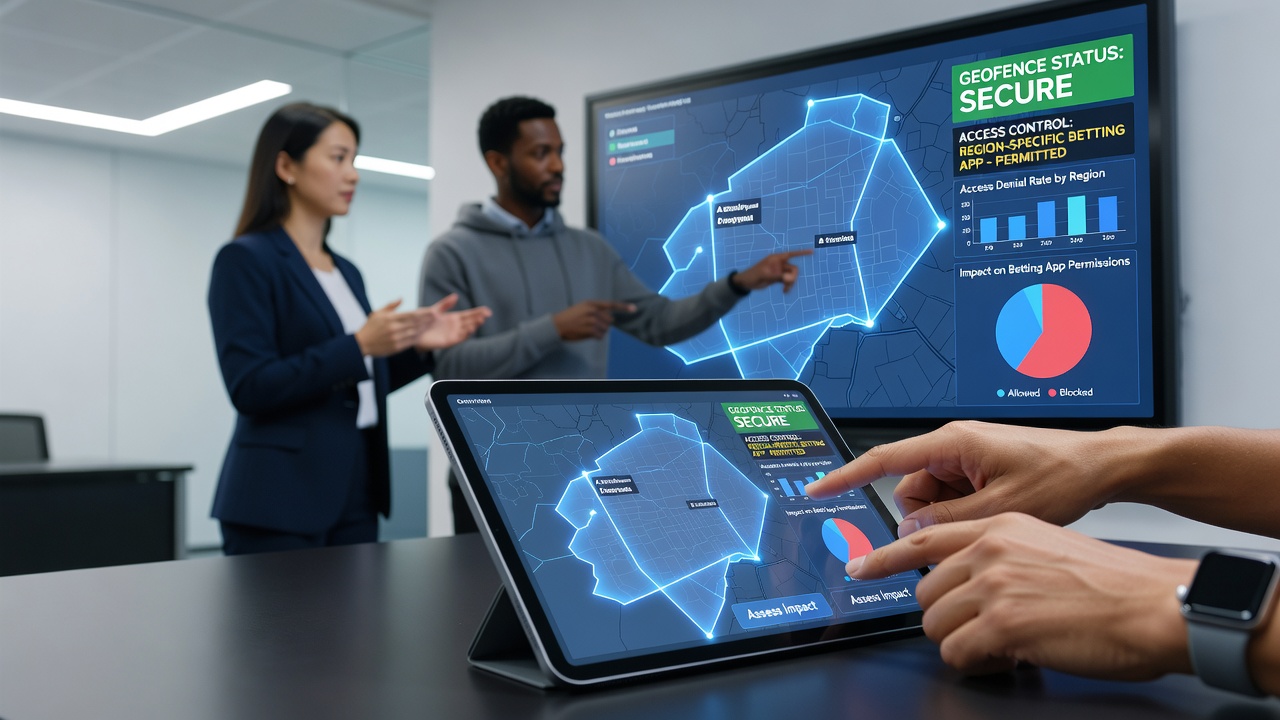
Geofencing technology creates virtual perimeters around specific geographic areas using GPS, Wi-Fi, and cellular data to enforce location-based restrictions in betting applications, and operators deploy these systems to comply with varying state and national regulations that limit where users can place wagers. Data from regulatory filings shows that accurate boundary detection helps prevent unauthorized access while allowing legitimate users within approved zones to proceed with account verification and betting functions.
Core Components of Geofencing Systems
Modern implementations combine multiple signal sources to determine device location with precision that meets or exceeds the thresholds set by licensing authorities, and this multi-layered approach reduces false positives that could block users near jurisdictional borders. Experts note that applications often integrate device-level APIs with server-side validation so that even if a user attempts to spoof coordinates, the system cross-checks against network identifiers and movement patterns before granting access. As of June 2026, several North American jurisdictions have required operators to log geofencing events for audit purposes, creating datasets that researchers now use to evaluate system reliability across different device types and network conditions.
Effects on Access Control Mechanisms
Access controls tied to geofencing determine whether a betting app loads core functions or displays a restricted message, and this direct link means any location error immediately affects user experience and compliance status. Studies from academic institutions indicate that systems achieving sub-100-meter accuracy maintain higher approval rates among verified users while still blocking attempts from outside permitted regions, and those same studies highlight how continuous monitoring during active sessions prevents users from starting a session in one location and completing transactions elsewhere. Operators integrate these controls with identity verification steps so that location checks occur both at login and at intervals during play, creating layered security that aligns with requirements from bodies such as iGaming Ontario.
Technical Challenges in Diverse Environments
Urban areas with dense buildings and rural zones with limited cell coverage present distinct testing requirements, since signal interference or gaps can produce inconsistent readings that trigger unnecessary blocks or allow unintended access. Developers respond by calibrating fallback protocols that switch between GPS, Wi-Fi triangulation, and IP-based checks, and field tests conducted by industry groups demonstrate that hybrid models improve consistency without adding noticeable latency to the user interface. Observers note that battery drain from constant location polling remains a concern on mobile devices, prompting some platforms to optimize polling frequency based on user movement speed and session duration.
Regulatory Alignment Across Jurisdictions
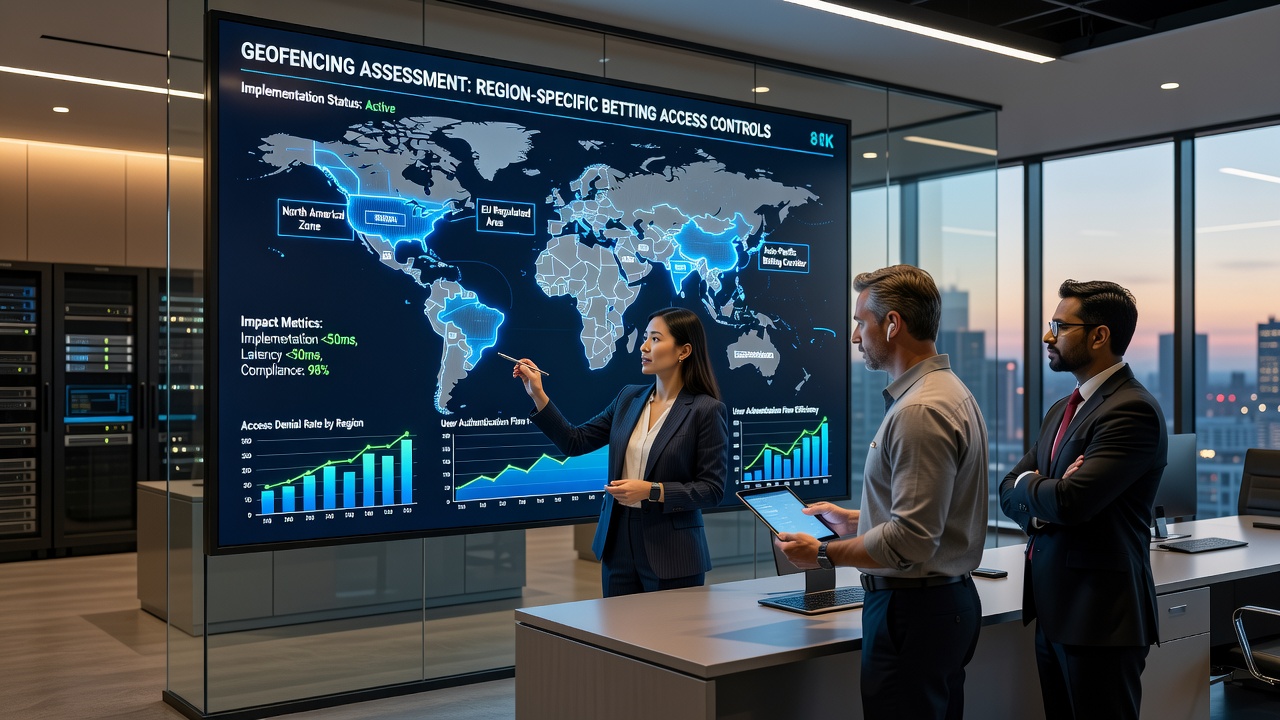
Each licensing region sets its own distance tolerances and audit standards for geofencing performance, which forces application developers to maintain configurable parameters that adapt when an operator expands into new markets. Reports compiled by research organizations show that platforms serving multiple territories often maintain separate rule engines so that a user crossing from one state into another encounters immediate re-evaluation rather than a delayed response. In June 2026, updates from several Australian state regulators emphasized the need for real-time reporting of geofence violations, and these requirements have pushed vendors to enhance their logging infrastructure accordingly.
Evaluation Metrics and Performance Data
Key performance indicators include the rate of correct location approvals, the frequency of false blocks, and the time required to re-validate after a detected movement, and operators publish aggregated figures that allow third-party reviewers to compare implementations across similar regulatory environments. Evidence from controlled trials reveals that systems incorporating machine learning to predict signal degradation in certain weather or terrain conditions achieve better uptime than static threshold models alone. Those who manage large user bases report that transparent communication about location requirements reduces support tickets related to access denials, since users understand when and why checks occur.
Future Developments in Location-Based Controls
Emerging techniques explore the use of additional sensors such as barometric pressure and nearby beacon networks to refine boundary detection, while regulatory bodies continue to refine testing protocols that operators must pass during license renewals. Data shared at recent industry conferences indicates that integration with 5G networks will further improve response times for location queries, allowing more frequent checks without compromising application performance. Continued collaboration between technology providers and oversight agencies supports incremental improvements that balance user convenience with strict adherence to geographic restrictions.
Conclusion
Geofencing implementations directly shape how region-specific betting applications enforce access controls, and ongoing assessments of accuracy, reliability, and regulatory fit guide further refinements. Comprehensive evaluation combines technical testing with compliance audits to ensure systems meet both operational and legal standards across expanding markets.